معرفی
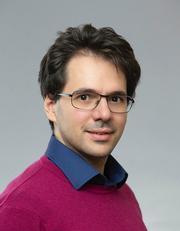
Dr. Wonjae Lee serves as Assistant Professor across three departments at Duke University School of Medicine: Neurosurgery (primary appointment), Neurobiology, and Pathology. He holds dual institute affiliations as a Member of the Duke Cancer Institute and Faculty Network Member of the Duke Institute for Brain Sciences, with his laboratory located at 3 Genome Ct. MSRB3 in Durham.
Educational background:
- Ph.D. in Bioengineering, Stanford University (2010)
Dr. Lee's pioneering research centers on neuroimmune crosstalk within the brain's unique microenvironment, with particular emphasis on the blood-brain barrier (BBB) as a critical mediator between neural and immune systems. His laboratory develops advanced neurovascular unit (NVU) models that replicate human brain physiology to study spatiotemporal immune dynamics during disease progression and therapeutic interventions. This work bridges tissue engineering and precision medicine, focusing on ischemic stroke, glioblastoma, and stem cell therapies through interdisciplinary collaborations spanning biomedical engineering, immunology, and oncology.
Analysis of his 14 publications (2024-2008) reveals a cohesive research trajectory centered on organ-on-a-chip platforms for neurovascular and cardiac systems, innovative hydrogel-based biomaterials for 3D cell culture, and stem cell differentiation techniques. His recent work demonstrates increasing translational focus on personalized therapeutic approaches for neurological disorders, particularly through microphysiological stroke models and glioblastoma platforms.
Current research funding includes three major grants:
- Comorbidity-Specific Microphysiological Stroke Models for Developing Personalized Stem Cell Therapies (2024-2027)
- Unveiling the Neurovascular Responses to Amyloid-Beta Antibodies: A Neurovascular Unit-on-a-Chip Approach for Personalized Passive Immunotherapy (2024-2026)
- Developing Human Cell-Based Glioblastoma Models Free from Animal Derivatives (2024-2025)
Dr. Lee leads an interdisciplinary research team that engineers biomimetic tissue models to investigate disease mechanisms, with strong emphasis on translating engineering innovations into clinical neuroscience applications through partnerships with Duke's clinical departments.