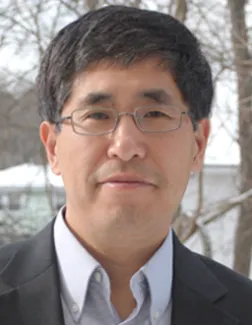
معرفی
William Cafferty is an Associate Professor of Neurology and Neuroscience at Yale School of Medicine, holding primary appointments in both the Department of Neurology and Department of Neuroscience. His academic journey includes a PhD from King's College (2001) and a BS from Bristol University (1997), establishing a strong foundation in neuroscience research.
Dr. Cafferty's research focuses on spinal cord injury, axonal regeneration, and neuroplasticity, with particular emphasis on understanding the molecular mechanisms that restrict or promote neural repair after central nervous system trauma. His work spans from basic molecular investigations to translational approaches aimed at developing therapeutic interventions for neurological conditions. His research interests include brain diseases, demyelinating diseases, neurodegenerative disorders, pain mechanisms, and spinal cord injuries.
Analysis of his publication record from 2015-2025 reveals a consistent trajectory in spinal cord injury research, with increasing sophistication in molecular and cellular techniques. His work has evolved from examining basic mechanisms of axonal growth inhibition to developing sophisticated genetic and molecular tools for promoting neural repair, including single-cell transcriptional profiling, genome-wide screening approaches, and therapeutic interventions targeting specific molecular pathways. His research bridges fundamental neuroscience with potential clinical applications for neurological recovery.
Among his notable scientific achievements is the K99/R00 - Pathway to Independence award from NIH-NINDS, recognizing his potential as an independent investigator in neuroscience research.
Dr. Cafferty leads the Cafferty Lab, which focuses on functional neuroplasticity following neurological injury. His research has established important connections between molecular inhibitory pathways (particularly involving Nogo receptor signaling) and the capacity for neural repair. His work has demonstrated how blocking specific inhibitory molecules can promote axonal regeneration and functional recovery after spinal cord injury.