معرفی
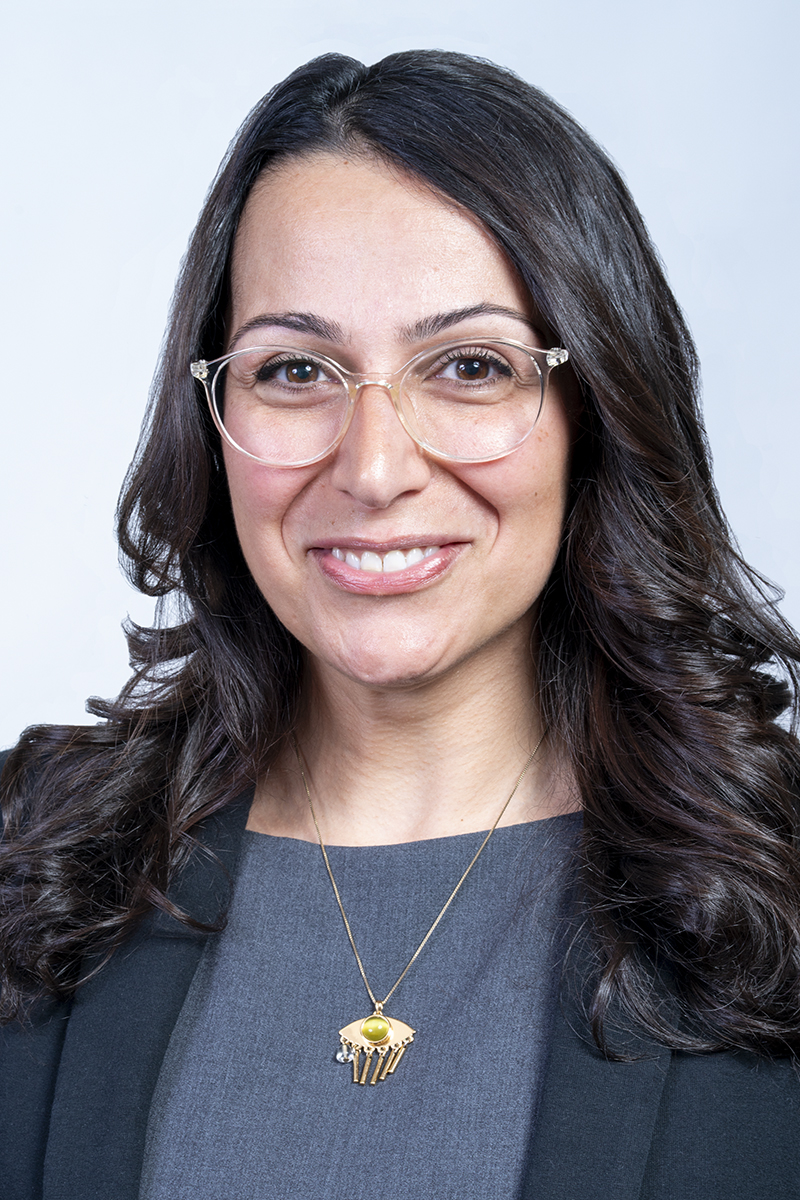
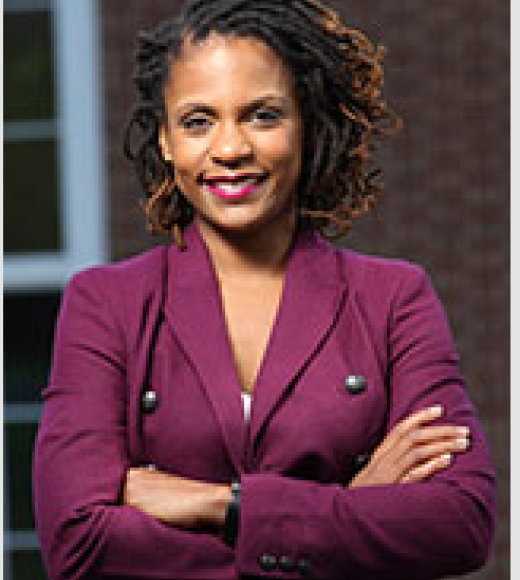
Wendy Luttrell is a Professor at the City University of New York Graduate Center with appointments in Sociology, Urban Education, Critical Social Psychology, and Women's and Gender Studies. She is a leading authority on how urban schooling shapes beliefs about race, identity, knowledge, and power, internationally recognized for her visual methodology research.
Her educational background includes a Ph.D. in Sociology from the University of California, Santa Cruz.
Luttrell's research centers on educational inequality in urban settings, employing innovative visual methodologies and collaborative seeing to document how gender, race, class, and immigrant status shape students' experiences. She challenges deficit narratives about working-class youth through longitudinal studies using photography and video, emphasizing the centrality of care in educational contexts. Her work bridges sociological theory with transformative educational practice.
Her publications reveal evolving trends from identity studies of adult learners to contemporary analyses of pandemic impacts, consistently highlighting participatory visual research and intersectional approaches to educational justice. Recent works focus on youth agency and care frameworks during crises.
Her scientific recognition includes:
- Oliver Cromwell Cox Book Award from the American Sociological Association
- Outstanding Achievement in Scholarship Award from the American Sociological Association
Luttrell leads the Urban Education Research Collective, directing major projects like the NYC Parents Speak Out study on pandemic schooling. Her teaching excellence has earned institutional accolades, and she is frequently sought for public lectures. While specific grant details aren't provided, her mixed-methods research demonstrates sustained funding for longitudinal urban education studies.
She founded the Urban Education Research Collective, an innovative team conducting mixed-methods investigations into urban schooling challenges, most recently analyzing parental perspectives during the pandemic through collaborative, community-engaged frameworks.