معرفی
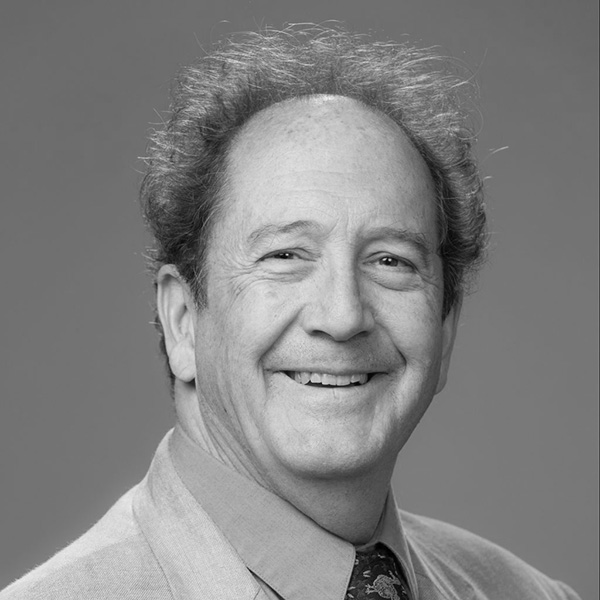
Walter Sinnott-Armstrong is the Chauncey Stillman Distinguished Professor of Practical Ethics in Duke University’s Department of Philosophy, affiliated with the Kenan Institute for Ethics, Psychology & Neuroscience, and multiple interdisciplinary centers. He holds secondary appointments in the Law School and is core faculty in the Duke Center for Cognitive Neuroscience and Duke Institute for Brain Sciences. His research bridges philosophy, neuroscience, and AI ethics, focusing on moral responsibility, consciousness, and decision-making. He leads the Moral Attitudes and Decisions Lab (MADLAB), which investigates how social, cultural, and neurobiological factors shape moral judgments.
Education: Ph.D. in Philosophy from Yale University (1982), A.B. from Amherst College (1977). Recent grants include funding from OpenAI, the John Templeton Foundation, and Canada CIFAR for projects on Moral AI, consciousness studies, and cultural moral psychology. Notable publications include Moral AI and How We Get There (2024) and Think Again (2018), a globally popular ethics course. His work addresses AI ethics, free will debates, and applications of moral psychology to real-world dilemmas like healthcare triage and autonomous weapons.
Research interests span experimental philosophy, neurophilosophy, and computational ethics. Recent articles explore lay judgments about responsibility and consciousness, cross-cultural moral reasoning, and ethical challenges posed by AI. He collaborates with scientists, psychologists, and computer scientists to translate theoretical insights into practical frameworks for ethical technology development and policy.
Grants and Awards: Over $2M in seed grants for interdisciplinary research, including leadership on OpenAI’s Moral AI initiative. The Chauncey Stillman Professorship reflects his academic distinction. His contributions appear in journals like NeuroImage, Proceedings of the National Academy of Sciences, and Journal of Medical Ethics.
Labs/Teams: MADLAB’s projects include neuroimaging studies of moral cognition, AI ethics frameworks, and predictive modeling of moral preferences. He advises on global initiatives like the Duke Initiative for Science & Society and contributes to policy discussions on AI governance and medical ethics.