معرفی
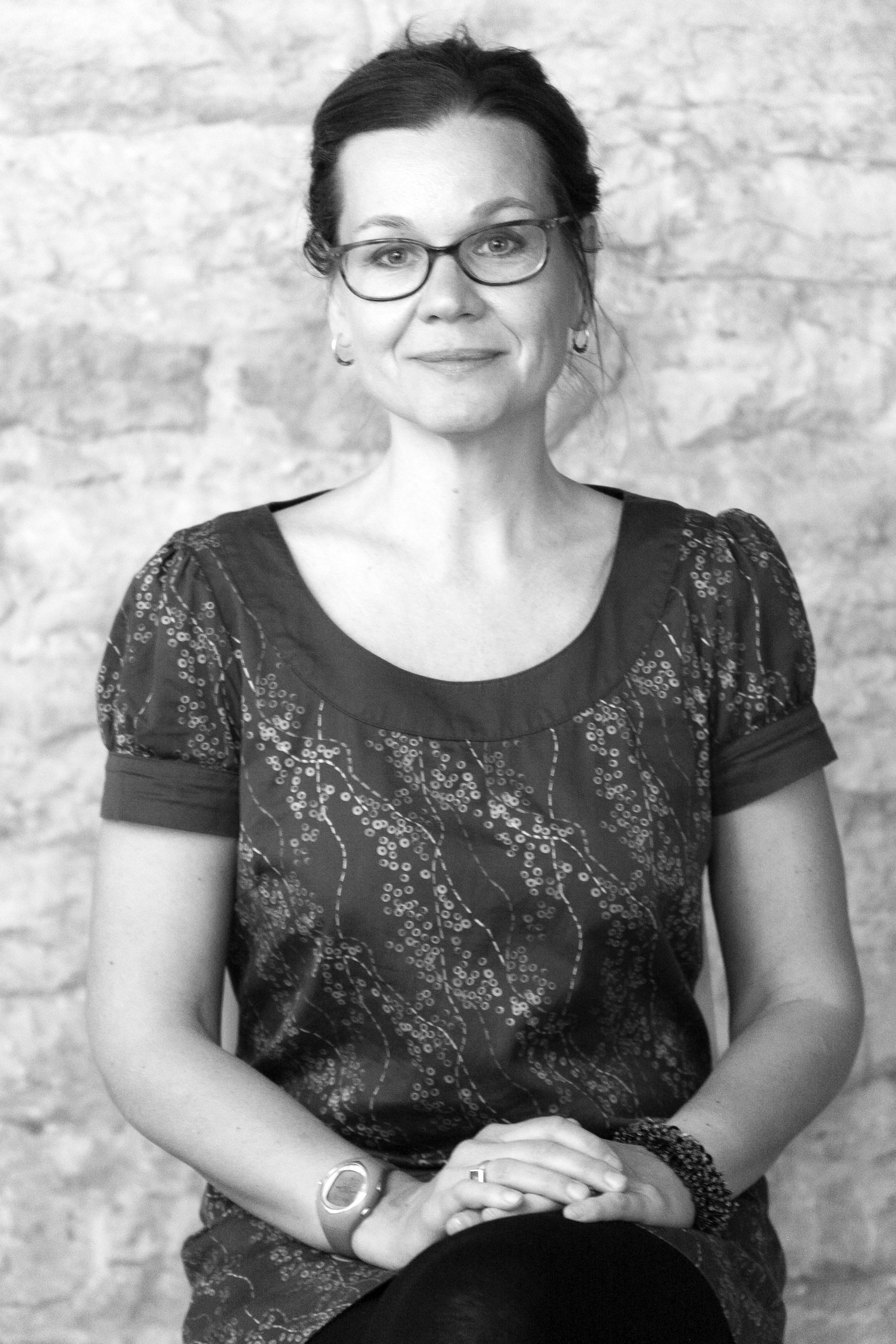
Virve Sarapik is a Professor at the Institute of Art History and Visual Culture, Faculty of Art and Culture, Estonian Academy of Arts. She has held significant leadership roles, including Head of the Institute (2017–2023) and Editor-in-Chief of the journal Studies on Art and Architecture (2003–2021). Her academic career includes research positions at the Estonian Literary Museum and the Under and Tuglas Literature Centre. She is currently active on a part-time basis and continues to supervise doctoral candidates and lead research initiatives.
- PhD in Semiotics and Cultural Theory, University of Tartu (1999)
- Research Master's Degree, University of Tartu (1996)
- MA in Fine Arts and Art Education, Estonian Academy of Arts (1989)
Her research focuses on the interrelations between visual and verbal discourse, late Soviet and post-Soviet Estonian culture, spatial and temporal representation in texts, and the aesthetics of visual culture. She has pioneered the study of picture theory and environmental aesthetics, notably through the 'Place and Location' conference series. Her work bridges semiotics, art history, and cultural theory, with a strong emphasis on interdisciplinary approaches and Estonian modernization processes.
Her recent publications explore ethnofuturism, semiotic shifts after Marxism, Soviet encyclopedias as knowledge systems, and the expanding role of images in contemporary culture. These works reflect a consistent engagement with cultural memory, ideological transformation, and the philosophical dimensions of visual representation.
Her scientific awards include the Estonian Society of Art Historians’ Prize (2021), the Estonian Academy of Arts Academic Publication Award (2021), and recognition for mentoring student research. She was nominated to AcademiaNet in 2020 and received the 'Ela ja sära' scholarship in 2002.
Sarapik has supervised numerous Master’s and PhD theses, including completed dissertations on topics such as the Severe Style in Estonian art, postmateriality, and contemporary art in Estonia. She currently supervises doctoral projects on temporality, materiality in conservation, and educational space. She has also led major research projects on Estonian cultural development during the transition period and rhetorical patterns of mimesis.
She is actively involved in academic governance, serving on the Senate of the Estonian Academy of Arts, the Evaluation Board of the Estonian Research Council, and the board of the International Association of Research Institutes in the History of Art (RIHA). She is a member of editorial boards for journals such as Methis, Studies on Art and Architecture, and the Acta Universitatis Talliniensis. Artes series.