معرفی
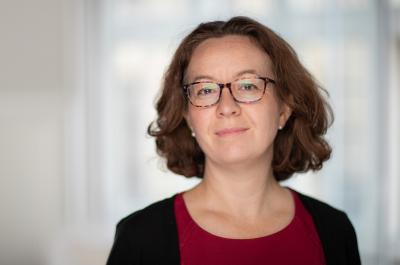
Tony Heron is a Professor and Head of Department in the Department of Politics at the University of York, Faculty of Social Sciences. He is a leading scholar in International Political Economy with a focus on global trade, regional integration, and development policy. His work bridges academic research and public policy, particularly in post-Brexit trade and sustainable food systems.
- Professor, Department of Politics, University of York
- Head of Department, Politics
- Principal/Co-Investigator on ESRC and EU-funded research projects
- Advisor to UK public bodies including the Food Standards Agency
His research interests lie at the intersection of trade, development, and governance. He specializes in the political economy of global value chains, regional integration in Africa and the Caribbean, and the governance of sustainable food systems. His recent work critically examines the UK’s post-Brexit trade agenda under the banner of ‘Global Britain’ and explores how evidence on diet change can be effectively translated into public policy.
The 15 most recent publications reflect a dual trajectory: one strand analyzes trade policy, regionalism, and development in the Global South, particularly in Caribbean and African contexts; the other investigates food systems resilience, citizen participation, and sustainable diets in the UK and Europe. This interdisciplinary approach spans political economy, public policy, and environmental governance.
Tony Heron has received research funding from major bodies including the Economic and Social Research Council (ESRC) and the European Commission. He has led the ESRC IAA POST Fellowship project with the House of Commons International Trade Committee and contributed to the CASCADES project on climate systemic risks in Europe.
He is actively engaged in academic service, including peer review for journals such as International Studies Quarterly, and public outreach through media contributions on trade and food policy.
His research is conducted within collaborative networks involving scholars across Europe, Africa, and the Caribbean, and he contributes to interdisciplinary teams focused on environmental governance and systemic risk.