معرفی
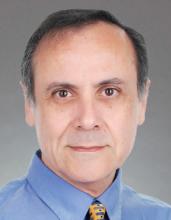
Dr. Tomokazu S Sumida is an Assistant Professor of Neurology at Yale University School of Medicine, where he leads the Sumida Lab. His research focuses on understanding the molecular mechanisms that drive T cell dysfunction, particularly regulatory T cells (Tregs), in human diseases. His work utilizes cutting-edge technologies including single-cell multi-omics, ATAC-seq, and CRISPR gene editing/regulation to investigate immune tolerance and dysfunction in autoimmune diseases.
Dr. Sumida received his MD from Chiba University School of Medicine in Japan in 2004, completed residency and cardiology fellowship in Japan, and practiced as a cardiologist before obtaining his PhD in 2012 studying the interface between the immune system and cardiovascular disease. He joined Yale in 2015 as a postdoctoral fellow in Dr. David Hafler's lab and was appointed Assistant Professor in 2020.
His research interests span Autoimmune Diseases, Cardiovascular System, Immune System, Nervous System, Genetics, Genomics, Epigenetics, and Immunology. The Sumida Lab specifically investigates the factors and mechanisms controlling immune tolerance with emphasis on regulatory T cells, studying how dysregulation of Tregs contributes to immunopathogenesis in conditions like multiple sclerosis. Their work explores the dynamic balance of pro- and anti-inflammatory signals necessary to decipher complex immune responses to genetic and environmental factors.
Analysis of Dr. Sumida's recent publications reveals a strong focus on regulatory T cell biology, particularly in multiple sclerosis and other autoimmune conditions. His work frequently employs single-cell technologies to understand immune dysregulation, with significant contributions to understanding how genetic variants affect immune cell function. His research bridges immunology, genetics, and neurology, with particular emphasis on how immune dysfunction contributes to neurological diseases.
- Harry Weaver Scholar Awards (2023)
- Race to Erase MS Young Investigator Award (2020)
- MSD Life Science Foundation Research Fellowship (2016)
- LEGEND Study Abroad Grant (2015)
- Uehara Memorial Foundation Research Fellowship (2015)
Dr. Sumida has established significant collaborations across Yale, particularly with Dr. David Hafler's lab, where he was a postdoctoral fellow. His research program has received support from multiple sources, including the National Multiple Sclerosis Society. As Principal Investigator of the Sumida Lab, he leads investigations into the molecular mechanisms of immune tolerance and dysfunction, with the goal of developing therapeutic approaches for autoimmune diseases. His work bridges basic immunology with clinical applications, particularly in neuroimmunological disorders.
The Sumida Lab focuses on basic human immunobiology and gene regulatory programs causing autoinflammatory disease, especially multiple sclerosis. They study the interaction of genetics and epigenetics to understand pathogenic gene regulatory circuits in human T cells, with particular focus on co-inhibitory receptors and the functional roles of Foxp3+ regulatory T cells in maintaining immune homeostasis.