معرفی
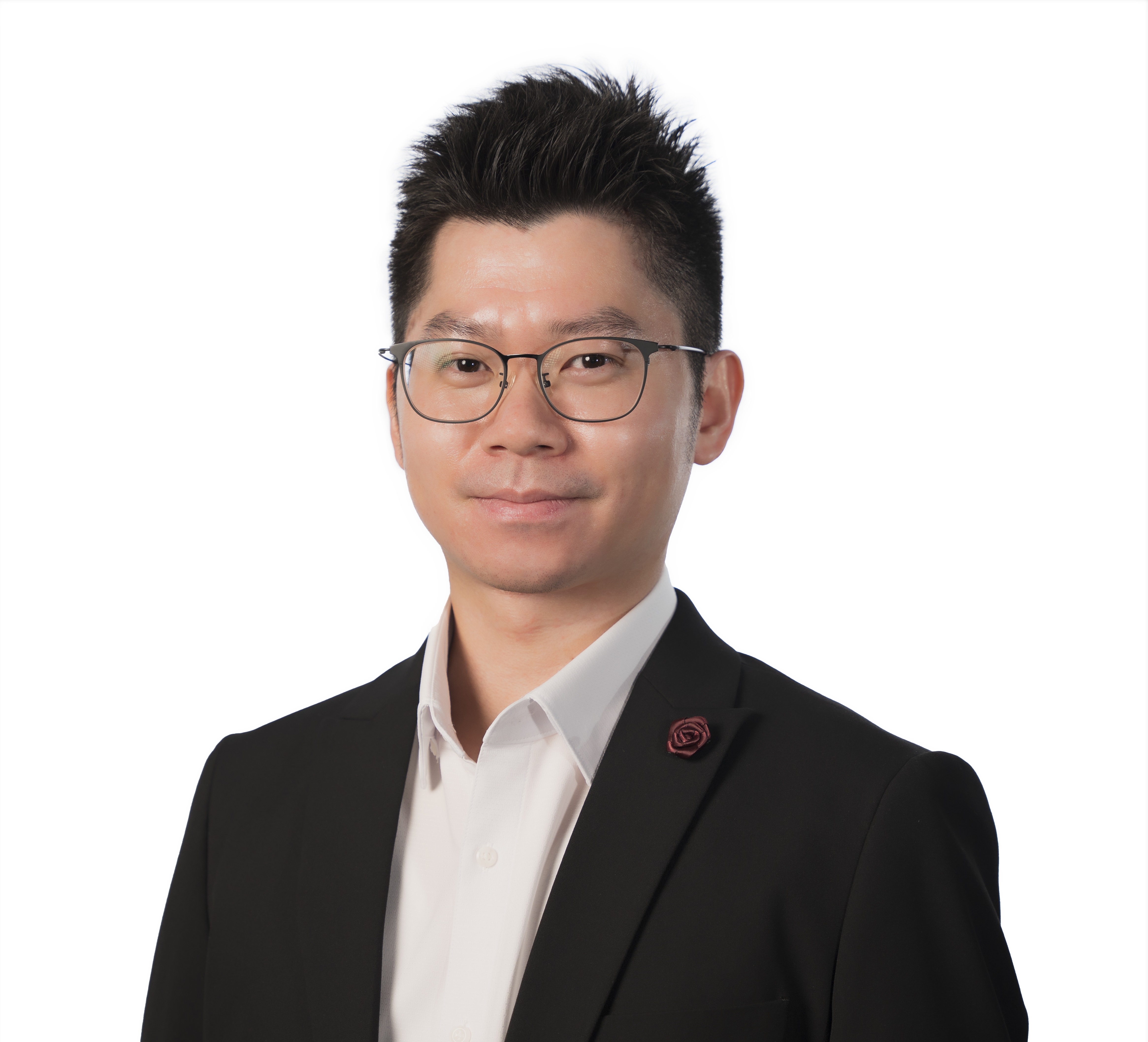
Tommy Cheung is a Senior Lecturer and Department Chair in the Department of Aviation, School of Engineering at Swinburne University of Technology, Australia. His research focuses on aviation network development, global airport connectivity, blockchain applications in air travel, and data-driven route planning. He holds a PhD in Computer Engineering from the University of New South Wales, Sydney, and has prior academic experience at Hang Seng University of Hong Kong and the Hong Kong University of Science and Technology.
- PhD in Computer Engineering, University of New South Wales, Sydney, Australia
- Former Assistant Professor, Hang Seng University of Hong Kong (2014–2018)
- Former academic, HKUST, Department of Electrical and Electronic Engineering
- 12+ years in advanced manufacturing and supply chain management in Hong Kong and Shenzhen
Dr. Cheung's research interests span aviation network resilience, airport connectivity indices, smart technologies in air travel, and sustainable aviation. He investigates how global disruptions like pandemics and geopolitical conflicts affect air transport systems. His work integrates machine learning, Bayesian modeling, and spatial econometrics to analyze aviation networks and optimize operations.
His recent publications reveal a strong trend in applying data analytics and AI to aviation policy, route planning, and service quality. Topics include flight delay forecasting, blockchain integration, self-connection optimization, and pilot remuneration. His work often involves large-scale datasets and interdisciplinary methods, contributing significantly to air transport policy and network modeling.
Dr. Cheung has secured industry research funding, including a major grant from Textron Systems Australia for the Regional AAM Surrogate Trial. He actively supervises PhD and Master’s students on topics such as hydrogen in aviation, pilot fatigue monitoring, and advanced air mobility. His leadership extends to curriculum and departmental strategy as Chair of Aviation.
He is involved in several research teams and collaborations, particularly in intelligent transportation systems and aviation innovation. His lab and project work integrate UAVs, IoT, and AI for infrastructure-less environments, contributing to next-generation mobility solutions.