معرفی
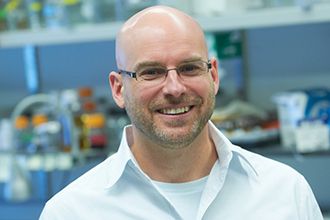
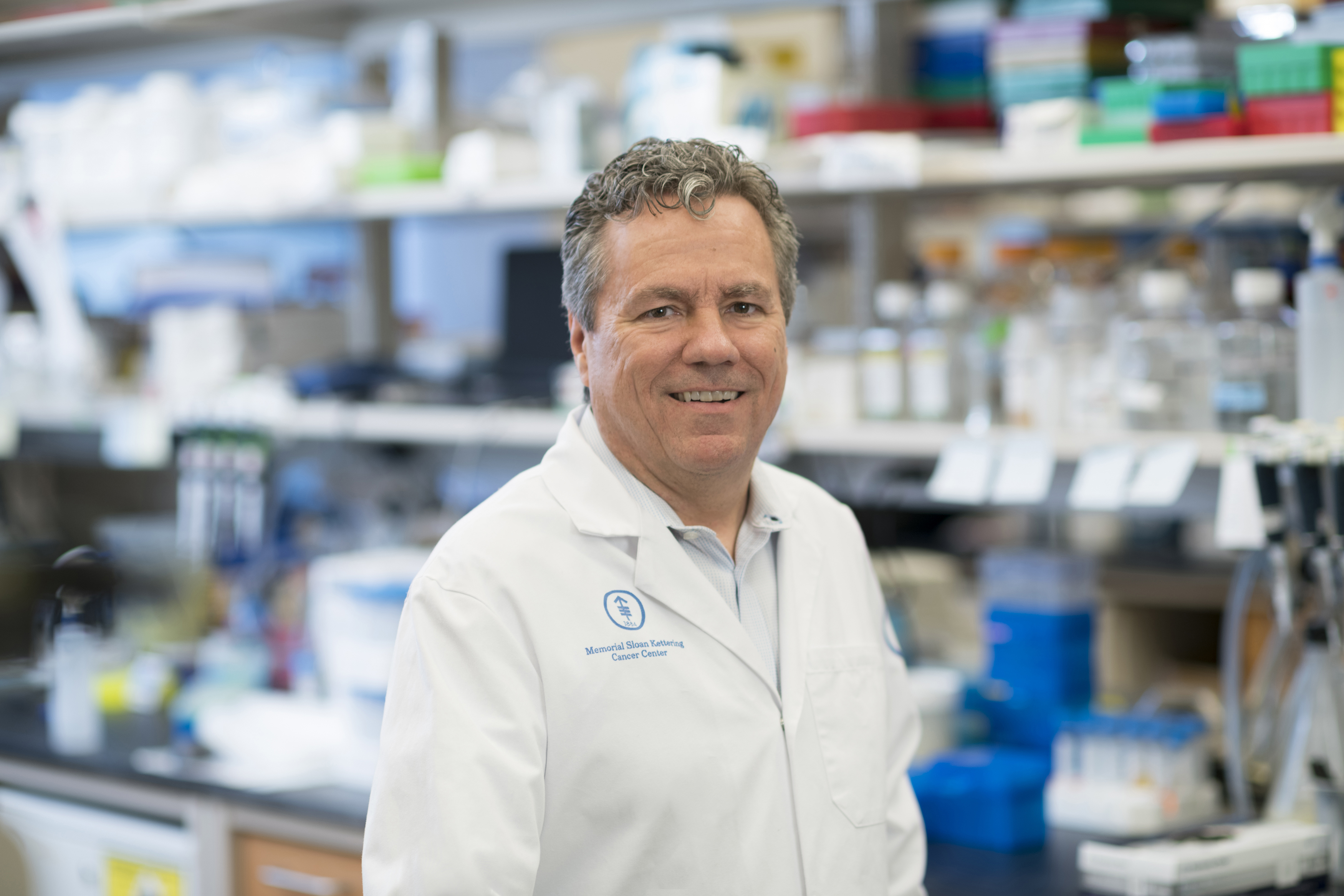
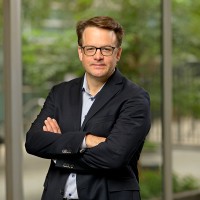
Tobias C. Walther is a Professor at Weill Cornell Medicine and Program Chair of the Cell Biology Program at the Sloan Kettering Institute (SKI), where he co-leads the Farese & Walther Laboratory. He is also an Investigator at the Howard Hughes Medical Institute (HHMI), reflecting his leadership in biomedical research. His work bridges fundamental cell biology with translational implications in metabolic disease, cancer, and neurodegeneration.
His research focuses on the mechanisms of lipid and energy metabolism, particularly neutral lipid synthesis, lipid droplet biology, and intracellular lipid regulation. Using systems-level approaches such as proteomics, lipidomics, genome-wide screens, and advanced imaging, his lab explores how lipid dynamics affect membrane biology, organelle function, and disease pathogenesis. Key areas include lipid storage and mobilization, lysosomal lipid metabolism in neurodegenerative diseases (e.g., Alzheimer’s, FTD), and lipid metabolism in cancer.
His recent publications reveal molecular insights into seipin’s role in lipid droplet formation, the catalytic mechanism of triglyceride synthesis enzymes, and pathways for protein targeting to lipid droplets. These works highlight a strong trend toward structural and mechanistic understanding of lipid metabolic processes using integrative methodologies.
- Howard Hughes Medical Institute Investigator (2015–present)
- ASBMB-Merck Award (2021, shared with Robert V. Farese Jr.)
- American Society for Cell Biology Fellow (2020)
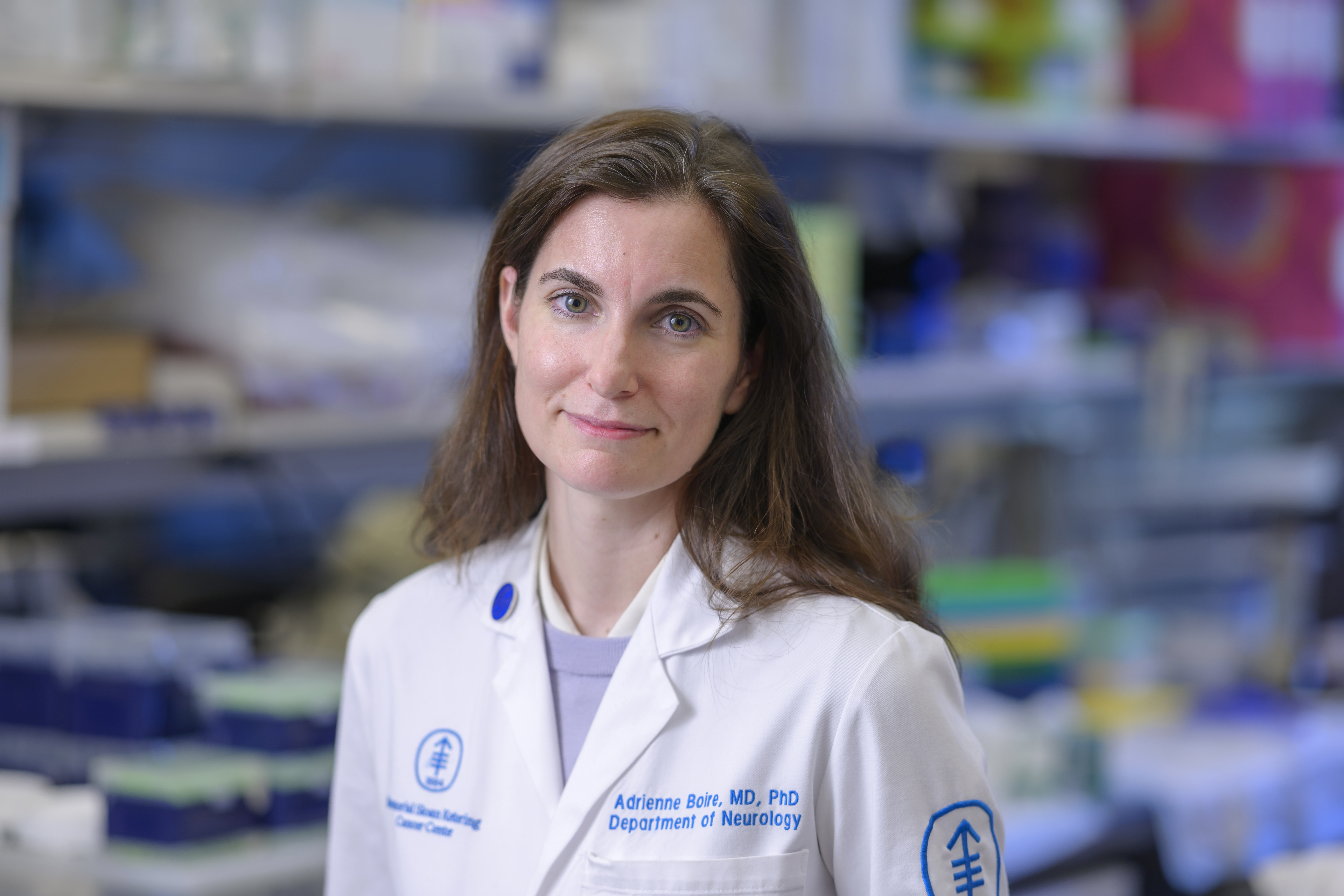
Walther has trained numerous graduate students and postdoctoral fellows and leads a multidisciplinary team investigating lipid biology. His lab has received continuous support through HHMI funding and institutional affiliations with MSKCC, Weill Cornell, and prior support from Harvard and Yale. He has held leadership roles including Executive Director of the Harvard Chan Analytics Center and Director of the Research Center on Causes and Prevention of Cardiovascular Disease.
The Farese & Walther Lab operates jointly between SKI and HHMI, with strong ties to the Tri-Institutional PhD Program and the BCMB Graduate Program at Weill Cornell. The lab fosters collaborative science and innovative training, as reflected in its participation in educational outreach, public lectures, and open science initiatives like sharing reagents via Addgene.