معرفی
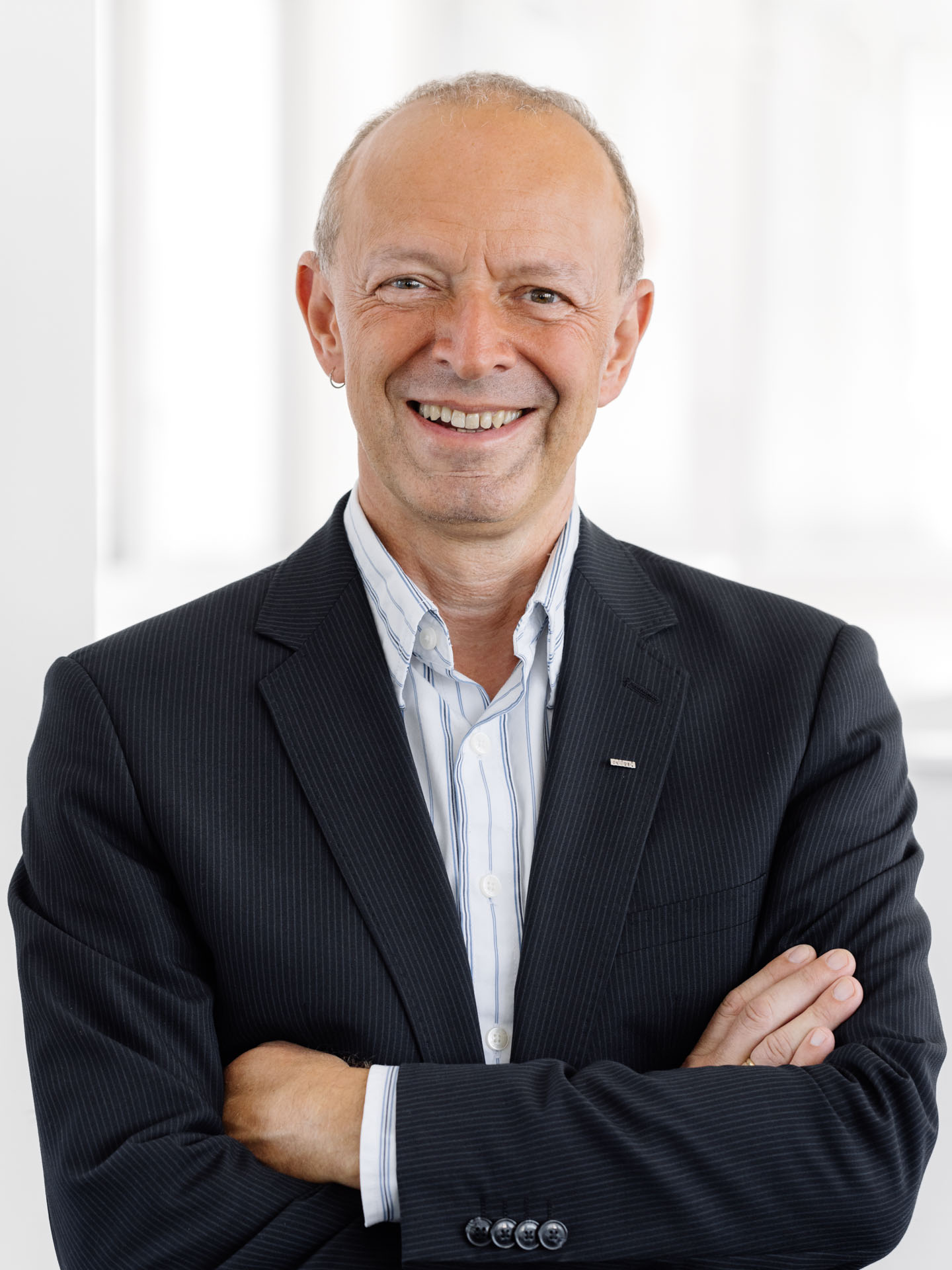
Thomas Wicker is a Professor in the Institute for Plant and Microbial Biology at the University of Zurich's Mathematical and Natural Science Faculty. His research focuses on plant genomics, particularly the role of transposable elements in genome evolution and plant-pathogen interactions. With a D-Index of 68 in Genetics and over 32,000 citations, he is recognized as one of the world's leading scientists in his field.
Professor Wicker's research interests span multiple interconnected areas: genome evolution, transposable element dynamics, Triticeae genomics (wheat, barley, and rye), plant-pathogen interactions (especially wheat powdery mildew systems), and more recently, metagenomics of lichen symbiotic systems. His work integrates computational biology, evolutionary genomics, and molecular approaches to understand fundamental mechanisms of genome dynamics.
His publication record shows consistent high-impact output, with recent work focusing on wheat powdery mildew evolution, transposable element population dynamics, and Triticeae genomics. Notable publications include studies revealing how pathogen spread correlates with historical human migration and trade routes, and research on de novo gene evolution in Triticeae crops.
Among his most significant awards are highly cited papers including 'A unified classification system for eukaryotic transposable elements' (3122 citations), 'The Sorghum bicolor genome and the diversification of grasses' (3446 citations), and 'Shifting the limits in wheat research and breeding using a fully annotated reference genome' (2504 citations).
Professor Wicker actively supervises PhD students and teaches courses including Research Internship in Plant Biology, Form and Function of Plants, and Group Seminar: Current Research. His lab develops computational tools for genomic analysis and maintains the TREP database - a curated collection of transposable element sequences. Current research projects include TREP database development, plant-pathogen interaction studies, transposable element research, and metagenomics of lichens.