معرفی
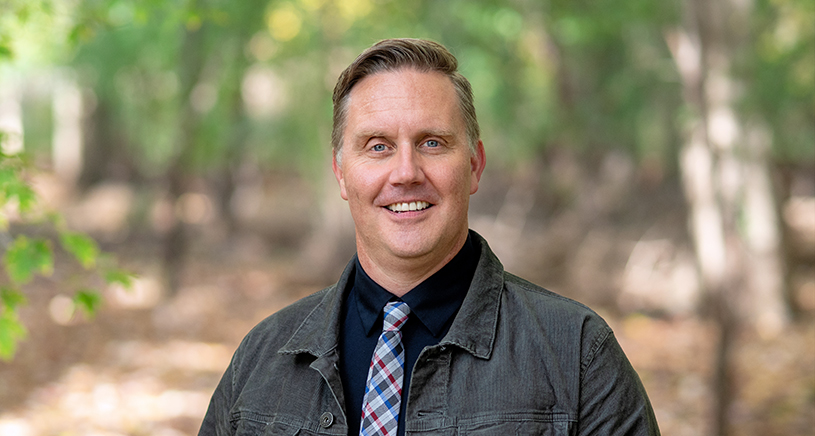
Thomas M Braun, PhD is a Professor in the Department of Biostatistics at the University of Michigan School of Public Health. He serves as a Member of the Senate Advisory Committee on University Affairs (SACUA) and teaches graduate-level biostatistics courses. Dr. Braun is an internationally recognized expert in Bayesian adaptive clinical trial design, with primary focus on cancer treatment and prevention research.
Dr. Braun's educational background includes:
- PhD in Biostatistics from the University of Washington, Seattle (1999)
- MS in Biostatistics from the University of Washington, Seattle (1996)
- BBA from the University of Wisconsin, Madison (1990)
His research expertise spans adaptive clinical trials, Bayesian statistical methods, longitudinal data analysis, oncology, rare diseases, dyadic analyses, and mobile health technology. Dr. Braun has developed novel Bayesian clinical trial designs for discovering safe and effective chemotherapy and immunotherapy regimens for cancer treatment. He is also pioneering methods to incorporate patient preferences into randomized clinical trials and sequential multiple assignment randomized trials (SMARTs).
Analysis of Dr. Braun's recent publications (2023-2025) reveals a strong concentration on small n sequential multiple assignment randomized trials (snSMARTs), Bayesian methodology for rare disease research, mobile health interventions for cancer patients and caregivers, and innovative approaches to merging electronic health records with clinical trial data. His work consistently bridges theoretical statistical methodology with practical clinical applications in oncology and transplantation medicine.
Dr. Braun has secured significant research funding from:
- The Food and Drug Administration (FDA) for developing Bayesian clinical trial designs for rare diseases
- The Patient Centered Outcomes Research Institute (PCORI) for developing Bayesian methods incorporating patient preference in SMARTs
He actively collaborates on multiple research projects examining cancer treatment disparities, immunotherapy regimens for melanoma and other cancers, and the Roadmap mobile health platform for improving outcomes in stem cell transplant recipients and their caregivers. His work often focuses on dyadic patient-caregiver relationships and developing innovative statistical methodologies for complex clinical trial designs.