معرفی
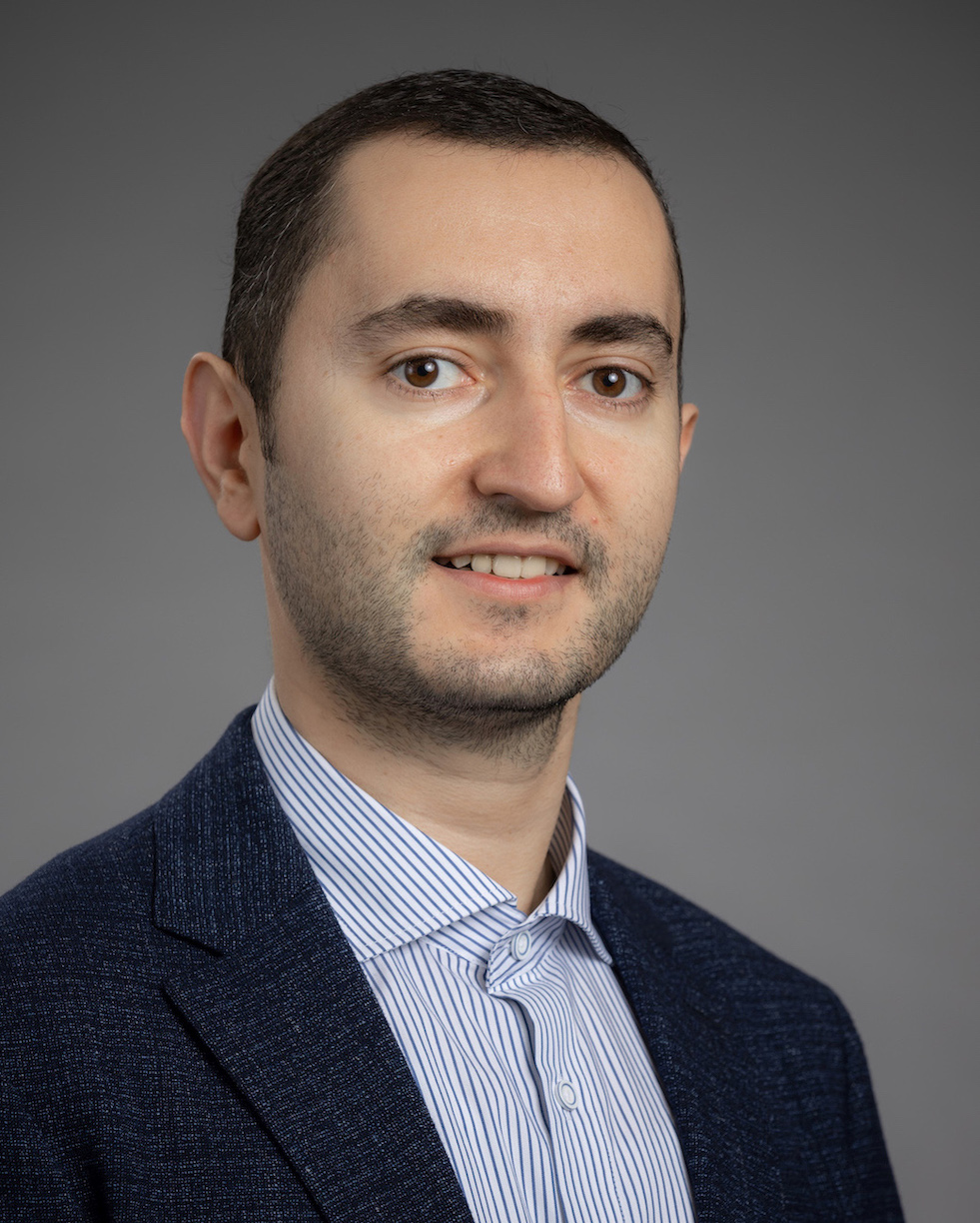
Thomas Gjesteland is a Professor in the Department of Engineering Sciences at the University of Agder, Norway. He has held this position since 2017, following his role as Associate Professor at the same institution from 2015-2017. He currently serves as Director of MatRIC (Centre for Excellence in Mathematics Teaching and Learning) since 2020, and was Co-Director from 2018-2020. He is also a member of the Academy for Young Researchers (AYF) since 2019.
Dr. Gjesteland earned his PhD in Space Physics from the University of Bergen (2008-2012) with a thesis titled "Properties of Terrestrial Gamma ray Flashes - Modelling and Analysis of BATSE and RHESSI data." He completed his Master's degree in Space Physics from the same institution (2002-2007) with a thesis on "Terrestrial Gamma ray Flash - A Monte Carlo simulation to understand their physical properties."
His research spans two primary domains: space physics (particularly Terrestrial Gamma-ray Flashes) and mathematics/engineering education. In space physics, his work focuses on high-energy atmospheric phenomena, lightning physics, and gamma-ray detection. In education research, he investigates student flow experiences, mathematical modeling, assessment methods, and innovative teaching approaches in STEM fields. His recent publications reveal a strategic shift from fundamental space physics toward educational scholarship, with increasing emphasis on mathematics pedagogy since approximately 2015.
Dr. Gjesteland has received formal pedagogical training through a 150-hour basic course (2015-2016) and a 100-hour Mathematics Teaching Course for university instructors, organized by MatRIC/University of Agder in collaboration with NTNU.
- Basic course in pedagogical training (150 hours, 2015-2016)
- Mathematics Teaching Course for university-level mathematics teachers (100 hours, 2015-2016)
As Director of MatRIC, he leads national initiatives to improve mathematics teaching and learning in higher education, particularly for engineering students. His work involves developing evidence-based teaching practices, reforming assessment methods, and creating guidelines for national curriculum regulations in engineering education with emphasis on mathematics requirements.