معرفی
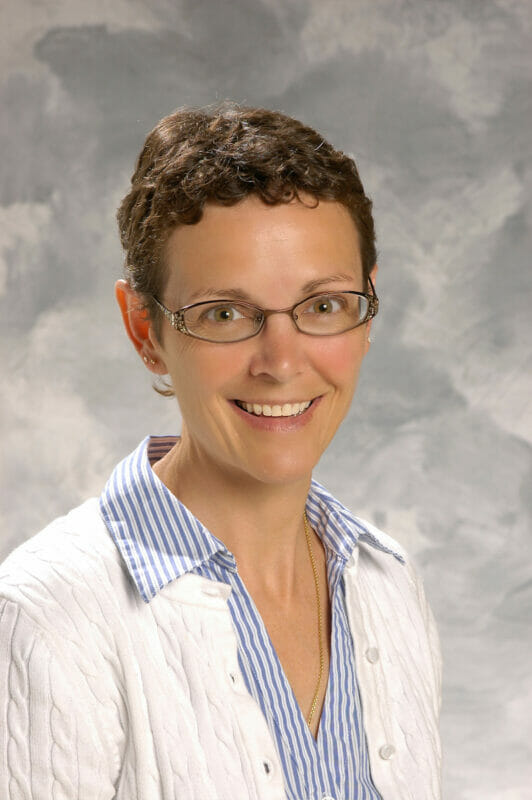
Thomas Eriksen is a Lecturer and Specialist Veterinarian (Specialdyrlæge) with a PhD at the University of Copenhagen's Faculty of Health and Medical Sciences. He holds dual appointments within the Department of Veterinary Clinical Sciences, serving in both the Section for Surgery, Neurology and Cardiology and the Section for Clinical Practice and Diagnostics in companion animals.
His academic career spans from 1994 to present, with progression through positions including Lecturer in Surgery (1994-2009), responsible for surgery and anesthesia (2006-2014), Professor MSO (Medicinsk Speciale Lektor) in Surgery (2009-2018), and currently Lecturer in Surgery (2018-present). He earned his PhD in Veterinary Medicine, establishing his foundation in veterinary surgical sciences.
Dr. Eriksen's research focuses on gastrointestinal surgery, ENT surgery, experimental surgery, non-technical skills for surgeons, and interprofessional education in clinical reasoning. His work bridges veterinary and human surgical practices, with particular emphasis on surgical training methodologies and clinical reasoning development across healthcare professions. He has developed the SIMCA virtual case library for surgical education and contributes to the 'Good Surgical Practice' master's program.
His recent publications demonstrate a strong translational focus, connecting veterinary and human surgical techniques through innovative animal models. Key research themes include surgical training models using conditioned canine cadavers, infection management in surgical contexts, and advanced organ perfusion monitoring techniques using indocyanine green imaging. Many studies utilize piglet models to develop surgical approaches applicable to both veterinary and human patients.
- 1st European Veterinary Dental Award (1994)
Dr. Eriksen is deeply involved in teaching at multiple levels, supervising veterinary students in bachelor's and thesis work, as well as doctors and veterinarians in PhD programs. His educational initiatives include SIMCA (the virtual case library), the 'Good Surgical Practice' master's program in surgery (CACS), and research supervision in surgical contexts. He has developed specific surgical techniques like pyelocystostomy feasibility studies in dogs and cats.
His research involves significant interprofessional collaboration between veterinary and human medical fields, with particular focus on developing realistic surgical training environments. His laboratory work centers on surgical models using conditioned canine cadavers and piglet models for organ perfusion studies, creating near-natural training environments for surgical skill development across healthcare professions.