معرفی
Taylor Joy Mitchell serves as an Associate Professor of Composition and Humanities within the Department of Humanities and Communication at the College of Arts and Sciences, Embry-Riddle Aeronautical University. Her academic role uniquely positions her to foster connections between the humanities and STEM disciplines, particularly through innovative approaches to engineering education and composition studies.
Dr. Mitchell's primary research areas include composition studies with a focus on narrative inclusion in engineering curriculum, strategies for enhancing critical thinking and student engagement in writing, and the application of artificial intelligence in educational contexts. She also conducts interdisciplinary research on the intersections of gender, race, and sexuality in American popular media, analyzing cultural icons such as Hugh Hefner, Colin Kaepernick, and Billie Holiday. Her teaching portfolio features postmodern and contemporary American literature courses, as well as interdisciplinary honors seminars on science storytelling, Cold War culture, and eco-literature.
Analysis of her recent publications (2022-2024) reveals a strong emphasis on ethical reasoning in engineering education through critical narrative methodologies. Multiple co-authored works explore how narrative frameworks can expand professional responsibility and improve students' recognition of ethical dilemmas. While her primary focus remains humanities-infused engineering pedagogy, she also contributes to interdisciplinary projects such as UAV-based explosive ordnance detection, demonstrating her collaborative approach across STEM fields.
Dr. Mitchell has received recognition through the following scientific award:
- Early Career Scholar Grant (2022)
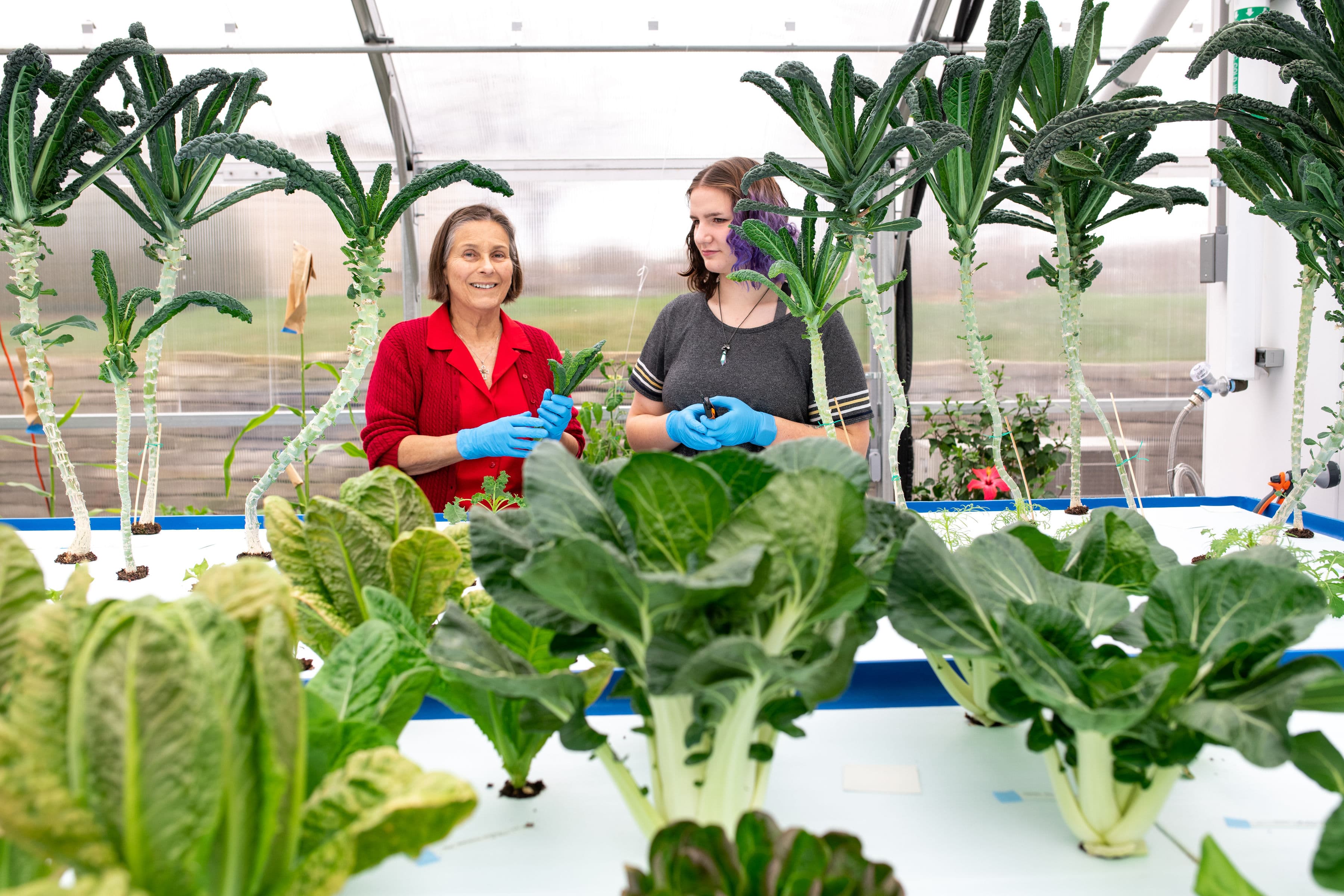
As an academic advisor, Dr. Mitchell mentors undergraduate students through leadership roles in Project H.A.R.T. (Hydroponic and Aquaponic Research Technologies) and ERAU's Art Club. Her grant activity includes the 2022 Early Career Scholar Grant which supported research on expanding ethical reasoning boundaries in engineering education through narrative approaches.
Through her involvement with student organizations like Project H.A.R.T. and the Art Club, Dr. Mitchell cultivates interdisciplinary teams that bridge humanities perspectives with technological and environmental research initiatives, creating unique learning experiences at the intersection of art, science, and engineering.