معرفی
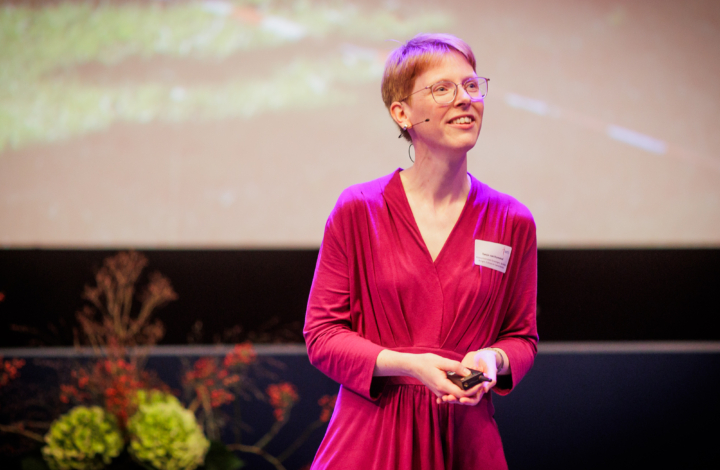
Tanja van Hummel is a PhD candidate and researcher in Comparative Religious Studies at the University of Groningen's Faculty of Religion, Culture, and Society. She is also a NIAS Theme Group Fellow (2025/26) participating in the 'Ecology and Belonging: In Search of a New Political Space' research program. Her work bridges religious studies, environmental policy, and agricultural practices, with particular focus on how worldviews shape responses to the Dutch nitrogen crisis.
Van Hummel's academic journey began with a Bachelor's in Philosophy from Radboud University, followed by a Research Master's in Philosophy of Language. After diverse professional experiences including editorial work and driving instruction, she pursued religious studies, leading to her current PhD research. Her path reflects a deepening focus on the intersection of philosophical inquiry, religious perspectives, and practical societal challenges related to climate change and agriculture.
Her research examines how religious beliefs and cultural values influence dairy farmers' perspectives on environmental regulations, comparing communities in north-east Twente (with strong Catholic Social Teaching influences emphasizing communal solidarity and subsidiarity) with those in the Food Valley. She investigates whether the concept of 'bonum commune' (common good) can be extended to create frameworks that harmonize ecological health with community wellbeing. Her recent publications reveal consistent focus on bridging divides between farmers and policymakers, rural and urban perspectives, and different religious worldviews, exploring how concepts like subsidiarity can inform more effective environmental governance.
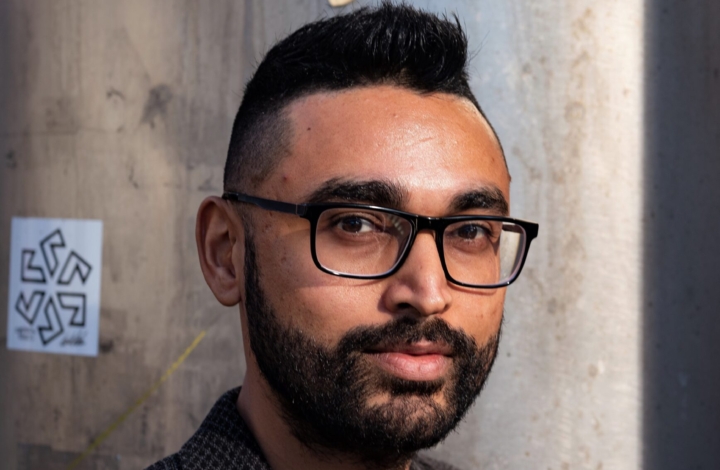
As a NIAS Theme Group Fellow, Van Hummel collaborates with scholars including Timothy Stacey, Jacob McLean, and Shivant Jhagroe. Her work has practical implications for policy development, offering insights into creating agricultural transition strategies that respect cultural values while addressing urgent environmental challenges. Her research on regenerative agriculture examines it not merely as a farming technique but as a philosophical and spiritual approach to land stewardship that emphasizes interconnectedness and long-term thinking.