معرفی
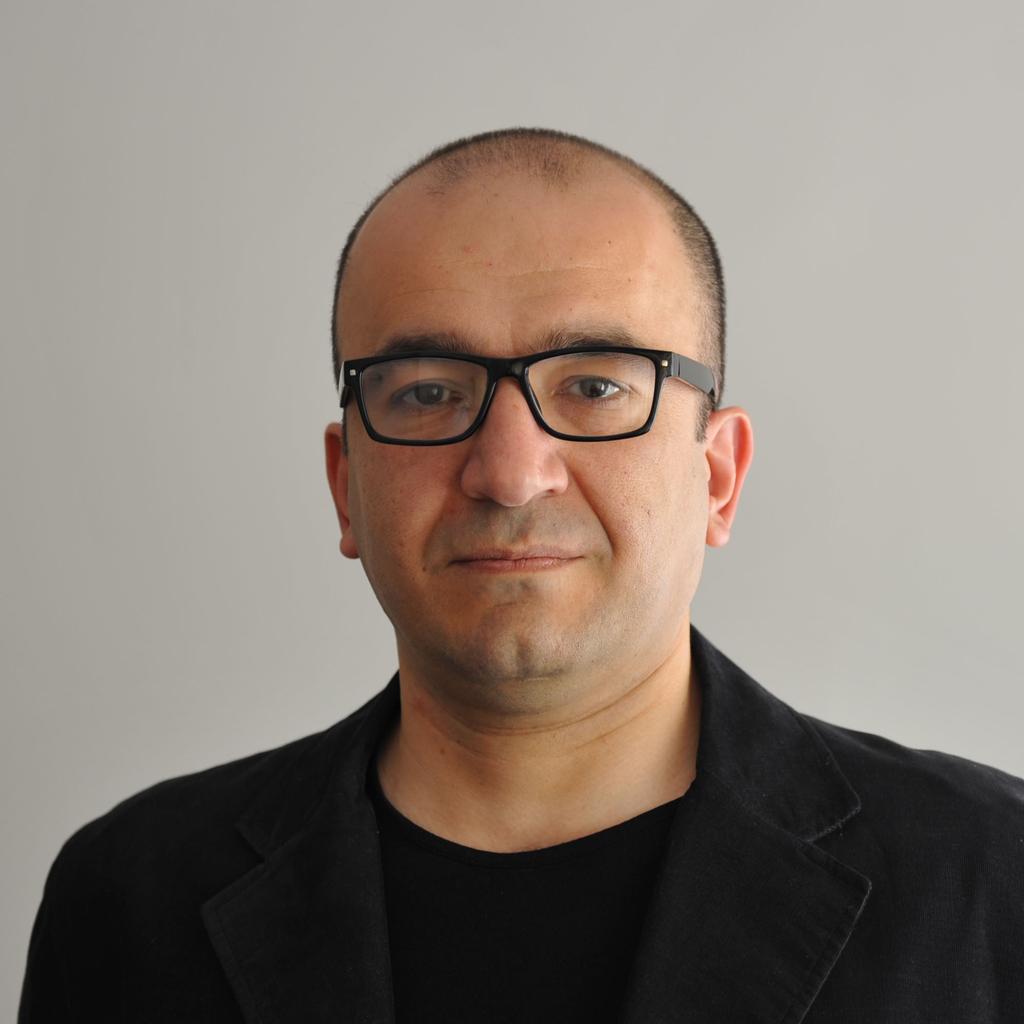
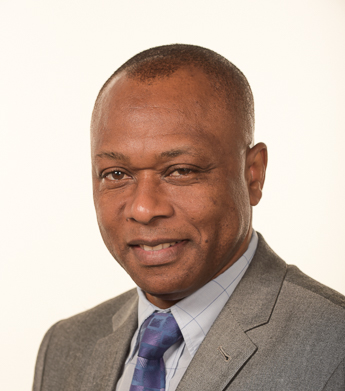
Tahira Hamid is a Senior Lecturer at Leeds Beckett University in the School of Built Environment, Engineering and Computing. She is a Chartered Architectural Technologist (MCIAT) with extensive professional experience in architectural design and project leadership across residential and commercial sectors in the UK and the Middle East.
Research Interests: Tahira's research focuses on Inclusive Design, particularly exploring preconceptions of disabilities and their impact on the built environment. She is currently pursuing a PhD on this topic. Her work extends to sustainable construction technologies, including green walls, 3D printing in construction, and energy-efficient building systems like insulated concrete formwork. She is also engaged in urban community development and architectural innovation.
The recent publications highlight a consistent focus on sustainability, inclusivity, and construction efficiency. Her work bridges academic inquiry with practical application in architectural technology and urban development.
Professional and Academic Engagement:
- Actively involved with The Chartered Institute of Architectural Technologists (CIAT) at the local level, supporting student progression to chartered status.
- Member of the Employability Group, organizing key events such as Careers Fairs, CPDs, site visits, and material trade shows.
- Developed and teaches the module Inclusive Master Planning in the MSc Architectural Technology & Design program.
- Teaches across multiple modules in the BSc (Hons) Architectural Technology course, including Design Studios and Architectural Practice.
Advising and Grants: While no formal students or grants are listed in the provided text, Tahira plays a significant mentorship role through CIAT engagement and employability initiatives, guiding students toward professional accreditation and industry readiness.
Labs and Teams: No specific labs or research teams are mentioned, but her collaborative research papers suggest active participation in academic and industry-focused research groups within the university and professional networks.