معرفی
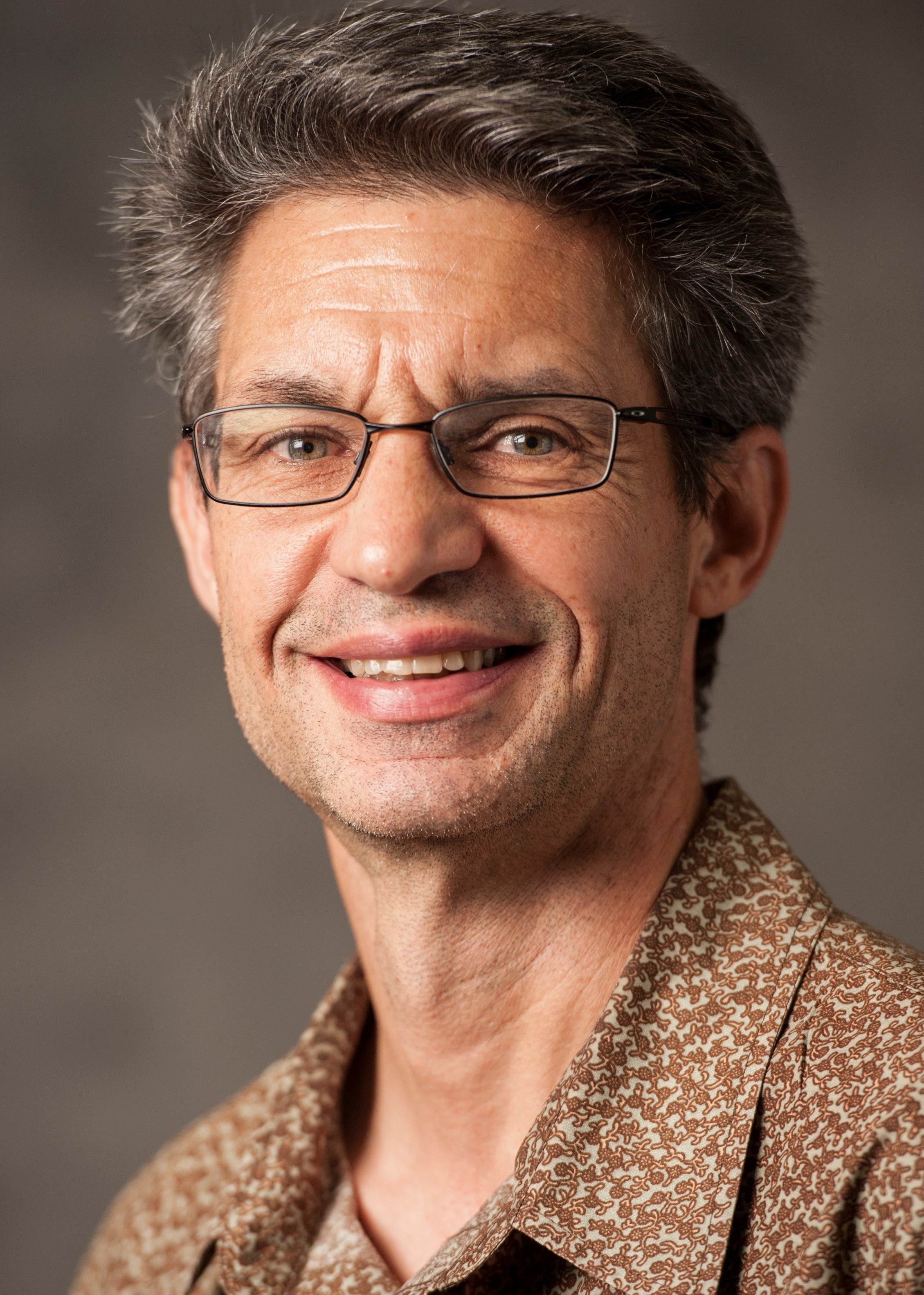
Dr. Szabolcs Kertész serves as Associate Professor at the Faculty of Engineering, University of Szeged, Hungary, where he also manages the Innovation, Knowledge and Technology Transfer Office (ITTTI). His academic career spans over 15 years with significant contributions to membrane technology research and environmental engineering education.
His educational background includes:
- Ph.D. in Environmental Sciences (2011) from University of Szeged
- Environmentalist MSc (2006) from University of Szeged Faculty of Sciences
- Habilitation (2019) from Doctoral School of Environmental Sciences
Dr. Kertész's research centers on membrane separation processes for environmental applications, with particular emphasis on wastewater treatment technologies. His work investigates innovative approaches to reduce membrane fouling through 3D printed turbulence promoters, vibration technologies, and combined treatment methods. He has made substantial contributions to dairy industry wastewater management, developing sustainable solutions that reduce environmental impact while maintaining process efficiency. His research bridges chemical engineering principles with practical environmental applications, emphasizing translation of laboratory findings to industrial implementation.
His recent publications demonstrate a strong trend toward integrating advanced manufacturing techniques like 3D printing with traditional membrane technologies. The research spans from fundamental studies of membrane fouling mechanisms to applied work on dairy and food industry wastewater treatment, showing consistent growth in impact factor and interdisciplinary collaboration.
Among his distinguished recognitions:
- Bolyai-plakett (2024)
- Excellent Talent Care Award (2024, 2018)
- János Bolyai Research Scholarship (multiple periods)
- New National Excellence Program Scholarship (2020-2022)
Dr. Kertész has secured significant research funding as Principal Investigator for projects including 'Optimization of hydrodynamic conditions with 3D printed elements' (NKFIH/OTKA FK142414) and 'Development of a dairy-based beverage selectively enriched with milk fat globule membrane materials.' His research group maintains international collaborations with institutions in Serbia, Turkey, Finland, and Belgium.
He leads a research team focused on membrane technology innovation, specifically investigating how 3D printed elements can enhance membrane filtration efficiency in wastewater treatment applications. His laboratory combines experimental membrane testing with computational modeling to optimize hydrodynamic conditions in filtration systems, with particular emphasis on dairy industry applications.