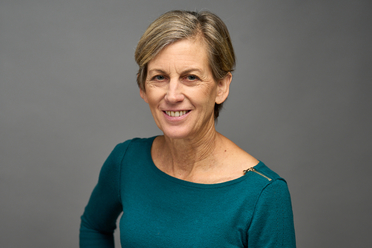
Susan Kohl Malone
استادیار · Chronic Disease Prevention and Management
New York Universityمعرفی
Susan Kohl Malone is an Assistant Professor at the College of Nursing, New York University (NYU), where she conducts research on chronic disease prevention, with a focus on sleep, circadian rhythms, and cardio-metabolic health. She is actively involved in funded intervention studies, including those addressing metabolic syndrome and prediabetes, and accepts PhD students into her research program.
- PhD, University of Pennsylvania
- MSN, University of Pennsylvania
- BSN, Georgetown University
- Postdoctoral Fellowship, Center for Sleep and Circadian Neurobiology, University of Pennsylvania
Her research centers on how timing and rhythmicity of lifestyle behaviors—such as sleep, eating, and physical activity—affect health outcomes. She investigates circadian disruption, social jet lag, and sleep variability in diverse populations, from adolescents to older adults, using both actigraphy and population-level data. Her work bridges nursing science, public health, and behavioral medicine, with applications in diabetes, obesity, and cardiovascular disease prevention.
Her recent publications (2023–2024) show a strong trend in examining the interplay between sleep timing, metabolic health, and social determinants. Themes include the impact of automated insulin delivery on sleep, the role of social isolation in insomnia, and how variability in sleep and eating patterns contributes to subclinical atherosclerosis. Her research increasingly integrates real-world, free-living data and emphasizes health equity.
- Marion R. Gregory Award (2015)
- Heilbrunn Nurse Scholar Award (2014)
- Research Poster Winner, National Association of School Nurses (2013)
- Leadership Identification Scholarship (1985)
- Susan Kohl Award, Georgetown University
Susan Malone has been principal investigator on multiple NIH-funded projects, including NYU’s P20 Exploratory Center for Precision Health in Diverse Populations. She leads a randomized controlled trial on sleep and glycemic control in prediabetes and has developed culturally appropriate recruitment strategies for diverse research populations. Her work is supported by grants from the National Institute of Nursing Research and other federal agencies. She is a member of several professional societies, including the American Academy of Nursing, Sleep Research Society, and Society for Research in Biological Rhythms.
She leads a research team focused on behavioral interventions that incorporate circadian principles to improve chronic disease outcomes. Her lab uses actigraphy, continuous glucose monitoring, and mixed-methods approaches to study sleep, metabolism, and behavior in real-world settings.