معرفی
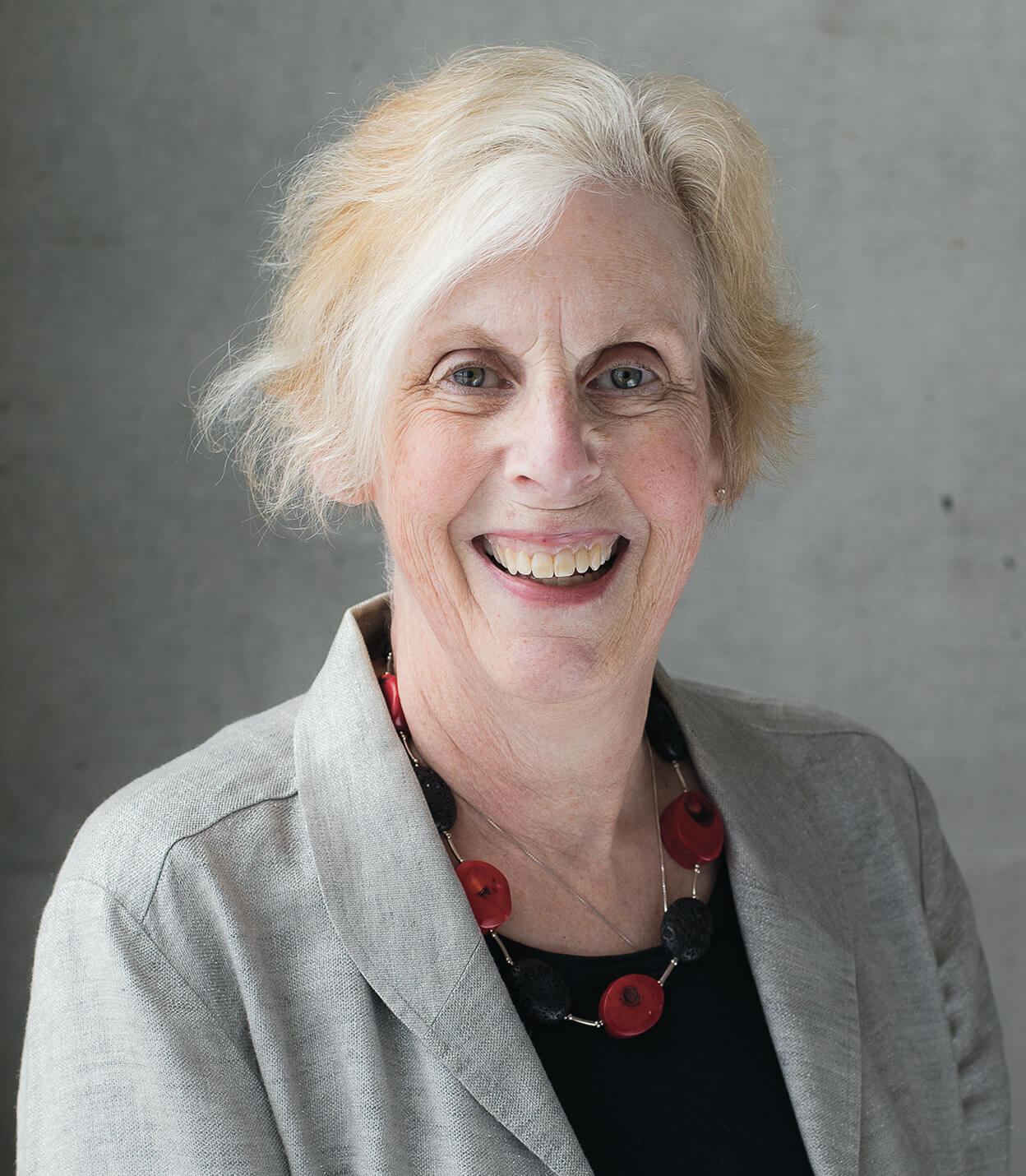
Susan Armstrong-Reid serves as an Adjunct Professor in the Department of History at the University of Guelph (2012-2026) and holds leadership roles in the American Association for the History of Nursing as Director and Chair of the Research Grant Review Committee (2022-2026).
Her educational background includes:
- Ph.D. in History, University of Toronto (1982)
- M.A. in History, University of Toronto (1977)
- B.A. in History, University of Toronto (1975)
Dr. Armstrong-Reid's research recovers marginalized narratives of women in global health, critically examining nursing's role in Western humanitarianism through lenses of gender, ethics, and cross-cultural tension. Her work confronts the positionality of Western historians in representing Indigenous nurses' agency while analyzing how humanitarian interventions like those in Vietnam War civilian medical teams expose gaps in traditional war historiography. Current scholarship advocates for decolonizing humanitarian systems through nuanced ethical frameworks.
Her publications—including the forthcoming Behead and Cure: Walking the Ethical Tightrope of Humanitarian Work in the Vietnam War—reveal consistent engagement with humanitarian ethics, nursing frontiers, and gendered health narratives across journals like Canadian Bulletin of Medical History and Canadian Quaker History Journal, demonstrating interdisciplinary reach in medical anthropology and postcolonial studies.
Scientific recognition includes:
- Lavinia Dock Research Award (2018)
- H-15 Research Grant (2016)
- Lillian Sholtis Brunner Fellowship (2012-2013)
She mentors senior history students through University of Guelph independent studies on women's roles in global health, with research sustained by grants from the American Association for the History of Nursing and Barbara Bates Centre. Her collaborative projects—such as Armies of Peace: Canada and the UNRRA Years with David Murray—highlight team-based approaches to archival humanitarian research.
Current work integrates with American Association for the History of Nursing initiatives while developing community-engaged scholarship with Indigenous communities on children's rights in humanitarian contexts.