معرفی
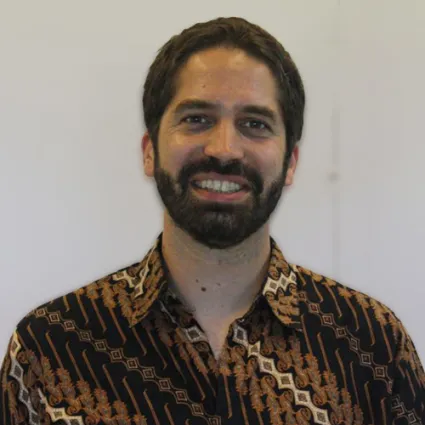
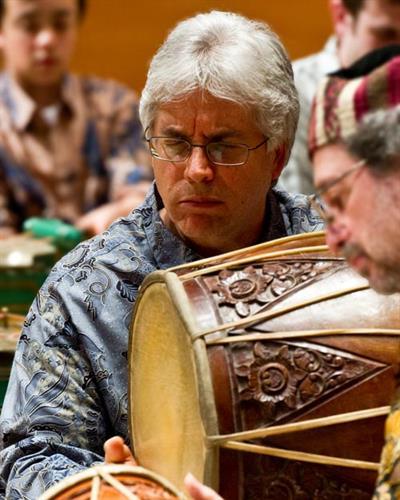
Sumarsam is a Professor at Wesleyan University specializing in Javanese performing arts, with a dual identity as both scholar (intelektual) and practitioner (pengrawit gamelan musician). His work bridges academic rigor and embodied artistic knowledge, focusing on the historical evolution and cultural politics of gamelan and wayang within Java's complex religious and colonial contexts.
His research explores:
- Historical development of gamelan from 12th-century Hindu-Buddhist courts through Islamic adaptation and European colonial influences
- Intercultural dynamics between Javanese arts, Islam, and global modernity
- Syncretic relationships between Hindu narratives in wayang and Islamic traditions
- Domestication of Western musical forms (e.g., brass bands in gendhing mares)
- Aesthetic structures of gamelan composition and vocal-melodic relationships
Sumarsam's scholarship reveals how performing arts navigate colonialism, religious conversion, and nation-building. His books analyze gamelan's transformation from royal courts to industrial estates, while examining tensions between traditional arts and contemporary Islamization. As a performer-scholar, he uniquely combines empirical musical analysis with cultural theory to decode Java's artistic resilience.
His influential publications include:
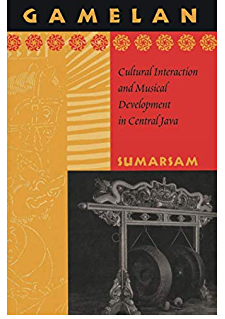
- Gamelan: Cultural Interaction and Musical Development in Central Java (historical analysis of cross-cultural influences)
- Javanese Gamelan and the West (colonial/postcolonial adaptations and Western reception)
- Hayatan Gamelan: Kedalaman Lagu, Teori & Perspektif (seminal 1976 theory on gamelan melody structure)
- Contextualizing Wayang & Gamelan to History, Islam, and Nation State (post-revolutionary religious dynamics)