معرفی
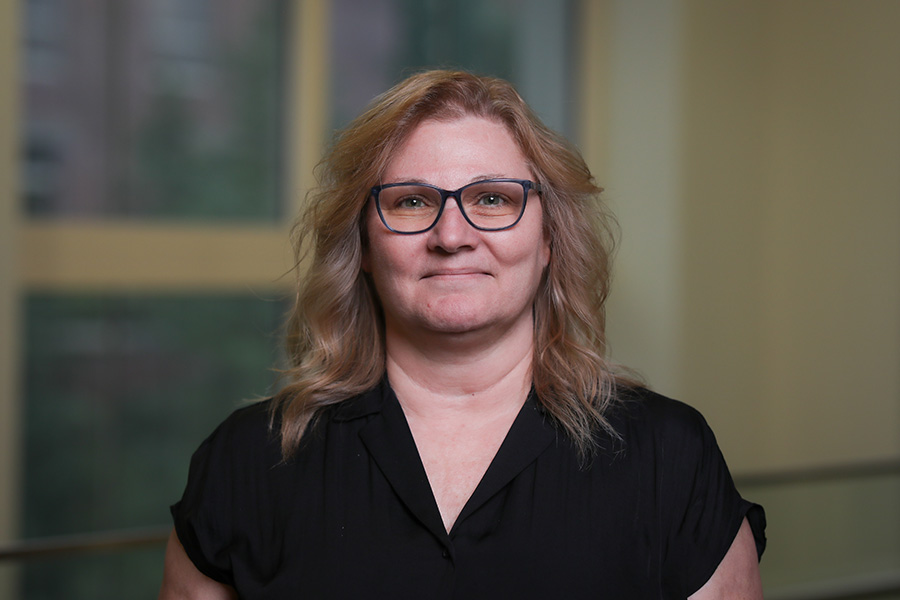
Steven Neese serves as an Associate Professor of Psychology at Cornell College, teaching core courses in Neuroscience, Research Methods, Memory and Cognition, and Behavioral Neuroscience. His research program investigates how early life diet, hormonal factors, and social environments shape learning, memory, and compulsive behaviors through rodent model experimentation.
Academic credentials include:
- Ph.D. in Experimental Psychology, Southern Illinois University-Carbondale (2007)
- M.S. in General Psychology, New Mexico Highlands University (2003)
- B.A. in Psychology, University of Wisconsin-Milwaukee (2000)
- A.D. in General Studies, University of Wisconsin-Sheboygan (1999)
Neese's research centers on behavioral endocrinology and developmental neurotoxicology, with emphasis on estrogenic compounds (bisphenol A, phytoestrogens), dietary fats, and childhood obesity models. His work examines sex-specific behavioral outcomes across developmental stages using paradigms like marble-burying tests and spatial memory tasks. Recent projects investigate how high-fat/sucrose diets during adolescence alter cognitive function in adulthood, revealing significant sex differences in memory and anxiety-related behaviors through interdisciplinary integration of neuroscience, endocrinology, and psychology.
Publication analysis (2010-2018) shows consistent focus on dietary and environmental endocrine disruptors affecting cognition. Key patterns include dose-dependent estrogen receptor effects on spatial memory, developmental vulnerability windows for bisphenol A exposure, and sex-dimorphic responses to nutritional interventions. Methodologically, his work predominantly employs rodent models with behavioral assays including radial arm maze, delayed alternation, and operant conditioning tasks, highlighting interactions between hormonal status and cognitive performance.
Neese actively mentors undergraduate researchers, with 29 student co-authors across 9 years of symposium presentations. His teaching philosophy emphasizes collaborative problem-solving through case studies like zombie neuroscience scenarios to engage students in spatial cognition and observational methodology. Laboratory work occurs within Cornell College's behavioral neuroscience facilities where student-faculty teams conduct rodent studies on diet-behavior relationships, with current projects modeling childhood obesity and sex differences in early-adult behavioral paradigms.