معرفی
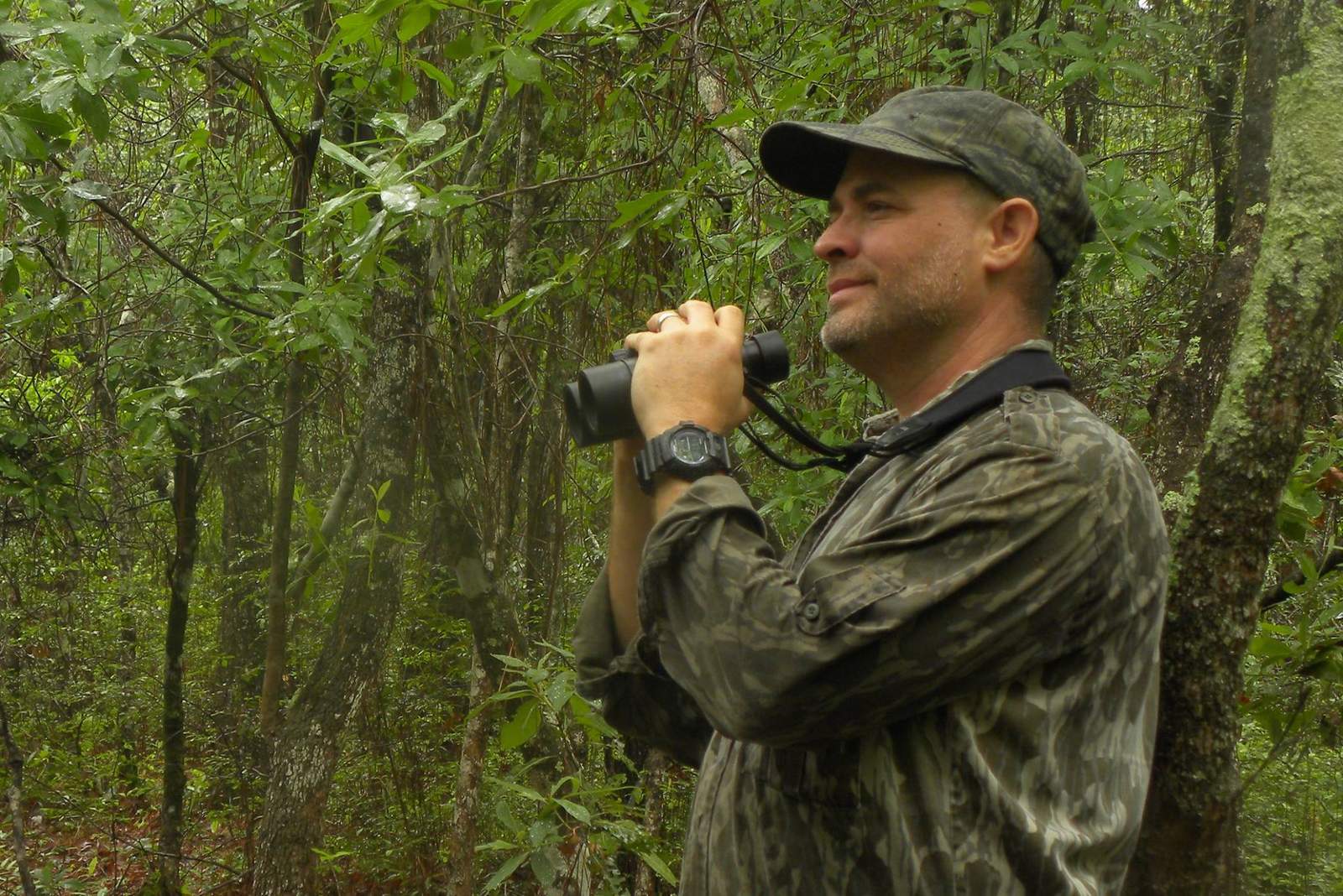
Stephen N. Matthews is an Associate Professor of Wildlife Landscape Ecology in the School of Environment and Natural Resources at The Ohio State University and holds an additional affiliation as an ecologist with the U.S. Forest Service Northern Research Station. His research program focuses on understanding how climate change and land use alterations impact forest ecosystems and wildlife, particularly bird species, across Eastern United States.
Dr. Matthews' research spans multiple spatial and temporal scales, employing advanced statistical models and remote sensing techniques to address critical conservation questions. His work primarily focuses on two interconnected themes: (1) modeling habitat dynamics of tree and bird species in response to climate change and land use change across the Eastern United States, and (2) exploring how forest management practices and urbanization influence vertebrate behavior and habitat utilization, with particular emphasis on movement ecology. His research group maintains active field sites across Ohio, with significant work conducted in Southeastern Ohio forests.
His publication record demonstrates consistent productivity, with multiple high-impact papers annually in journals spanning ornithology, forest ecology, landscape ecology, and climate change science. His work frequently addresses practical conservation applications, connecting macroecological patterns to regional management decisions. Recent publications show increasing focus on climate adaptation strategies, species habitat modeling under changing conditions, and the ecological consequences of forest management practices.
Dr. Matthews actively mentors graduate students, currently advising Jess Dong (PhD), Carl Engstrom (MS), and Anna Rose (MS), with a substantial track record of successfully guiding students to completion of their degrees. His students' research addresses diverse topics including Cerulean Warbler habitat, avian community dynamics, tick impacts on nesting birds, and phenological variation in tree species. He collaborates extensively with researchers across institutions, particularly with the U.S. Forest Service, and contributes to major conservation initiatives including the Ohio Bird Conservation Initiative and the Climate Change Atlas.