معرفی
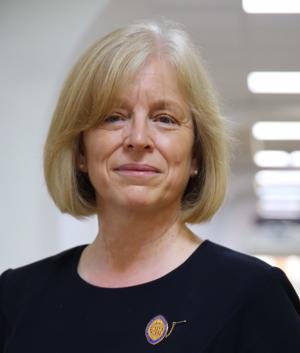
Stephen Mullay is a Lecturer in the School of Health and Life Sciences at the University of the West of Scotland, where he teaches as a Registered General Nurse, independent prescriber, and Queen's Nurse. Specializing in gerontological nursing, he holds a PhD in nursing/dementia and multiple first-class honors degrees in Health Sciences, Clinical Nursing, and Nursing (with distinction).
Education:
- PhD in Nursing/Dementia
- First-class Honours Degree in Health Sciences
- First-class Honours Degree in Clinical Nursing
- Bachelor of Nursing (with distinction)
His research centers on dementia care, focusing on the lived experiences of older people with stress/distress and innovative advanced nurse practice models for remote/rural healthcare settings. Using ethnographic qualitative methodologies, he develops community-centered approaches to person-centered care, addressing healthcare accessibility challenges in underserved areas. His work intersects with UN Sustainable Development Goals for health and well-being.
Recent publications (2021-2025) reveal a strong emphasis on rural dementia care, highlighting community-based specialist roles and stress management strategies. Concurrently, his nursing education research explores postgraduate motivations, work-life balance, and transformative learning among Queen's Nurses, reflecting his commitment to advancing clinical practice through education.
Scientific Awards:
- Eva Huggins prize (2011)
Dr. Mullay accepts PhD students and actively secures research funding, recently submitting a pilot study proposal for advanced nurse practice in remote Scottish communities. He collaborates with multiple British universities on frailty research and serves externally as a member of the Queen's Nursing Institute Scotland (since 2019) and British Geriatrics Society (since 2009).
His professional network spans dementia research clusters, with fingerprint analysis confirming expertise in dementia care (100%), person-centered approaches (36%), and cultural diversity in gerontology. Current projects emphasize context-specific healthcare solutions for resource-limited settings while maintaining rigorous academic contributions through journal peer review and community-centered research design.