معرفی
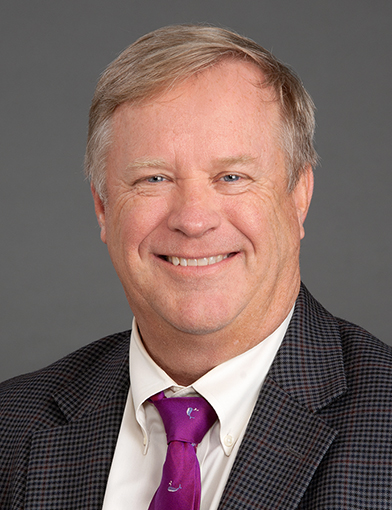
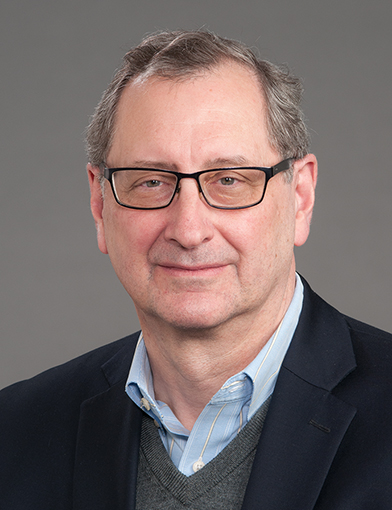
Stephen Kritchevsky is a Professor in the Department of Internal Medicine (Division of Gerontology and Geriatrics) and the Department of Public Health Sciences (Division of Epidemiology and Prevention) at Wake Forest University School of Medicine. He also holds professorships at the Wake Forest Institute for Regenerative Medicine and serves as Associate Dean for the Clinical and Translational Science Institute, with affiliations spanning the Sticht Center for Healthy Aging and Alzheimer’s Prevention and the Center for Vaccines at the Extremes of Aging.
His educational background:
- MSPH, University of North Carolina, Chapel Hill (1986)
- PhD, University of North Carolina, Chapel Hill (1989)
An internationally recognized expert with over 450 peer-reviewed publications, Dr. Kritchevsky researches nutritional influences on aging trajectories including vitamins, protein, energy balance, exercise, and obesity in older adults. His work focuses on translating biological aging discoveries to prevent age-related diseases and extend health span, with core interests in body composition, mobility limitation, and the aging process.
His 2021 publications reveal strong interdisciplinary trends across geriatric epidemiology and nutrition science, emphasizing body composition assessment methodologies, metabolic markers in muscle health disparities, protein-physical function relationships, vitamin D threshold optimization, and inflammatory biomarkers in mobility disability using large cohort data like the Health ABC study.
Dr. Kritchevsky leads the NIA-funded Claude D Pepper Older Americans Independence Center (OAIC) and co-directs the Sticht Center for Healthy Aging and Alzheimer’s Prevention. He directs the Research Centers Collaborative Network (RCCN) with the American Federation for Aging Research to foster NIA center collaborations through pilot awards and workshops, while his National Advisory Council on Aging service shapes national research priorities.
He maintains active involvement across Wake Forest's research ecosystem including the Cardiovascular Sciences Center, Comprehensive Cancer Center, Center for Diabetes Obesity and Metabolism, Hypertension and Vascular Research Center, and Maya Angelou Research Center for Healthy Communities, reflecting the interdisciplinary nature of his aging research.