معرفی
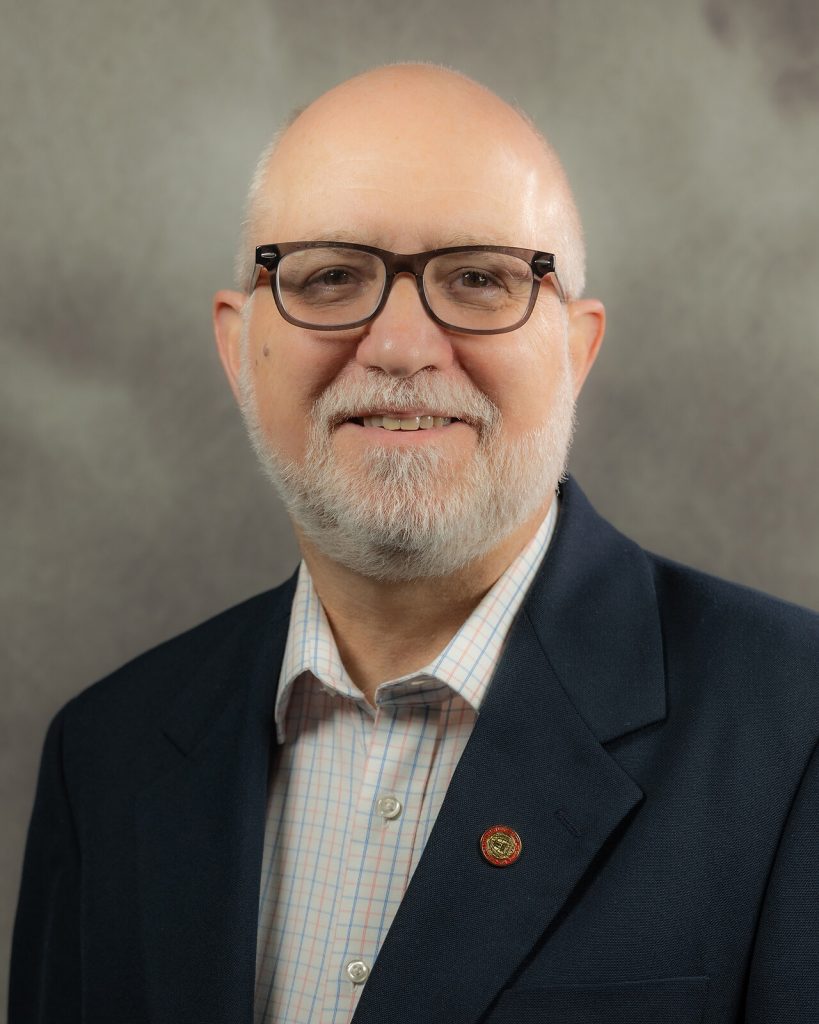
Stephen Galoob serves as Professor of Law at The University of Tulsa College of Law, where his scholarship critically examines criminal law, criminal procedure, and political philosophy through the lens of practical legal reform. His work consistently bridges theoretical rigor with tangible policy impacts in Oklahoma's criminal justice system, exemplified by co-authoring the authoritative treatise "Oklahoma Criminal Law and Procedure" and publishing in premier journals including Yale Law Journal and Oxford Studies in Political Philosophy.
His educational foundation includes a Ph.D. in Jurisprudence and Social Policy from the University of California, Berkeley (dissertation: "A Liberal Theory of Reparation"), a J.D. from the University of Virginia, and a B.A. from the University of Oklahoma. This interdisciplinary background informs his unique approach to legal scholarship.
Galoob's research centers on criminal law, criminal procedure, political philosophy, and professional responsibility, with distinctive contributions to fiduciary theory in policing. His scholarship argues that law enforcement officers owe fiduciary duties to communities, fundamentally reshaping discussions about police ethics. He also investigates the philosophical foundations of criminal defenses, the ethics of prosecution, and historical memory of racial violence as seen in his analysis of the 1921 Tulsa Race Massacre. This work reveals consistent connections between abstract political theory and concrete legal applications.
Analysis of his 2018-2025 publications shows three dominant trajectories: (1) fiduciary obligations in public office (particularly policing), (2) Oklahoma-specific criminal procedure reform, and (3) intersections between political philosophy and criminal law. His 2023-2025 work increasingly focuses on practical applications during the pandemic era, including progressive prosecution models and policing reforms, while maintaining his core theme of seeking legitimacy in criminal justice institutions through ethical reexamination.
No major scientific awards or fellowships are publicly documented in Galoob's academic career.
He actively mentors students through high-impact experiential initiatives rather than traditional classroom advising. Galoob co-founded Project Commutation, which mobilized law and undergraduate students alongside criminal justice professionals to secure commutations for hundreds of incarcerated Oklahomans. He also established the Tenth Circuit Year-in-Review Fellowship program, creating an inter-institutional platform for law students to analyze federal appellate decisions. These initiatives demonstrate his commitment to translating academic work into direct social impact while developing future legal professionals.
Galoob leads two major collaborative initiatives: Project Commutation functions as a criminal justice reform hub connecting students with defense attorneys, policymakers, and advocacy groups to reform Oklahoma's clemency processes. The Tenth Circuit Year-in-Review Fellowship operates as an educational consortium training students in appellate advocacy across multiple law schools, fostering a professional community dedicated to excellence in federal practice and judicial review.