معرفی
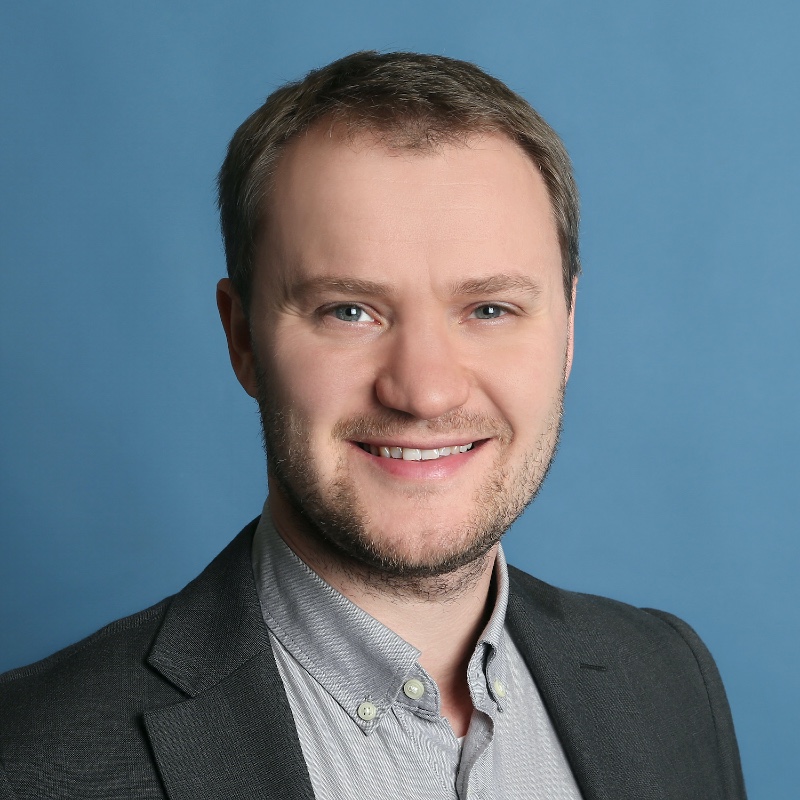
Soenke Zehle is a Lecturer in Media Theory and Managing Director of K8 at Saarland University of Arts and Design (HBKsaar), where he teaches courses including Media Theory: Automatic Society and Generative Arts and Design Lab. His work critically engages with technological developments to explore individual and collective self-determination in digital societies through interdisciplinary research bridging media theory, digital transformation, and cooperative economics.
His educational background spans multiple disciplines:
- PhD Comparative Literature, SUNY Binghamton, USA, 2004
- Graduate Certificate Latin American & Caribbean Area Studies, SUNY Binghamton, USA, 2004
- M.A. Philosophy, SUNY Binghamton, USA, 2000
- Advanced Certificate Translation / Translation Studies, SUNY Binghamton, USA, 1998
- B.A. Comparative Literature, Political Science, Occidental College, USA, 1995
Zehle's research focuses on collective intelligence design as a framework for anticipating futures, examining how data streams transform physical spaces into "data spaces" requiring new co-design practices. He investigates cooperative economic models (e.g., "Zebras Unite"), human-machine assemblages, and ethical implications of AI through projects like anticipate.network and datenraum.design. His work consistently addresses power dynamics in platform economies, digital twins for green transition, and feminist technology perspectives, emphasizing participatory design and social innovation in technological development.
His recent publications reveal strong interdisciplinary convergence between human-computer interaction, systems design, and cooperative economics to address sustainability challenges. Key trends include developing methodologies for collective intelligence in human-machine contexts, viable systems design for green transformation, and co-creation of value through hybrid human-machinic agencies, reflecting urgent societal needs for equitable digital futures.
Zehle leads K8 research center and actively participates in European networks including EFAP (COST Action 18136), INDCOR (COST Action 18230), and P-WILL (COST Action 21118). His collaborative projects like CYANOTYPES and s:coop demonstrate cross-institutional partnerships with MyData Saar, co:hub66, and the European Network of Living Labs to develop alternative platform work models and cultural heritage initiatives.
As an advisor, he has supervised over 30 projects including Maschinenräume (on technology and self-determination), Resonanzen (utopian waves), and Local Digital Twins Conversations, focusing on collaborative design methodologies, cultural heritage digitization, and regional transformation through data ecosystems. His grant-funded work often involves German-French cross-border collaborations and EU COST actions addressing societal challenges in digital transition.