معرفی
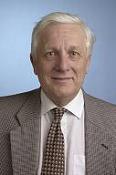
Slim Blidi is a Teaching Fellow in the Department of Built Environment and Life Sciences at Abertay University. His academic and research work is centered on food science, with a focus on food processing, safety, and chemical reactions during storage and industrial production.
His research interests lie at the intersection of food chemistry and health. He investigates the Maillard reaction, glycation, and acrylamide formation in processed foods, particularly in snack products and protein systems. A key aspect of his work involves utilizing byproducts like brewer’s spent grain melanoidins as natural inhibitors of harmful compound formation. He also explores innovative food processing techniques such as ultrasound and high-pressure processing to improve food quality and safety while maintaining sensory and nutritional properties.
The trends in his recent publications (2020–2025) show a consistent focus on mitigating food contaminants using natural compounds and advanced processing technologies. His work spans both model food systems and industrial-scale applications, demonstrating translational research potential. Keywords across his articles include food science, Maillard reaction, glycation, ultrasound, acrylamide, and melanoidins, with subfields covering food safety, processing optimization, and functional ingredients.
Dr. Blidi completed his doctoral research on the effect of brewer’s spent grain melanoidins on Maillard reaction products, indicating deep expertise in food chemistry and processing byproducts. While no scientific awards or formal students are listed in the provided text, his collaborative research network includes institutions across Europe, suggesting active engagement in the scientific community.
He is involved in research projects related to food quality and safety, particularly in industrial food production settings. His work on ultrasound-treated orange juice and acrylamide reduction in crisps highlights practical applications in the food industry. Although specific labs or teams are not named, his research outputs suggest participation in interdisciplinary teams focused on food innovation and safety.