معرفی
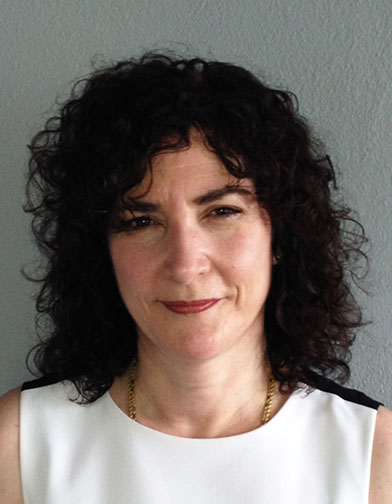
Professor Skye McDonald is a leading Clinical Neuropsychologist at the University of New South Wales (UNSW), School of Psychology, with over 170 peer-reviewed publications focusing on social cognition and brain injury rehabilitation. She leads the national Centre of Research Excellence in Brain Recovery 'Moving Ahead,' addressing psychosocial rehabilitation after traumatic brain injury. McDonald holds a BSc (Honors, First Class) from Monash University, an MSc in Clinical Neuropsychology (First Class Honors) from the University of Melbourne, and a PhD from Macquarie University. With 10 years of clinical experience working with individuals with acquired brain disorders prior to her academic career, she brings significant practical insight to her research.
Her research program centers on understanding how the brain processes emotions and social cognition following injury, particularly how social signal interpretation breaks down after brain trauma. McDonald is an active member of the Australasian Society for the Study of Brain Impairment and serves as a core member of PsycBITE, a database cataloging evidence-based treatments for brain injury disorders. Her work spans multiple methodologies including neuroimaging, behavioral experiments, and clinical intervention development, with recent emphasis on telehealth assessment tools, cross-cultural emotion perception, and biopsychosocial frameworks for apathy.
Professor McDonald's publications reveal a consistent trajectory examining social cognition assessment and rehabilitation across diverse populations including traumatic brain injury patients, dementia populations, and cross-cultural contexts. Her recent work has expanded into developing and validating brief assessment tools like the Brief Assessment of Social Skills (BASS) and implementing group-based social cognition interventions such as SIFT IT. The temporal pattern of her publications shows increasing focus on ecological validity, cross-cultural considerations, and implementation science in neuropsychological rehabilitation.
As a respected leader in her field, McDonald contributes to professional discourse through her extensive publication record and leadership roles. Her work bridges clinical practice and research, with particular emphasis on translating findings into practical assessment tools and rehabilitation protocols that address real-world challenges faced by individuals with brain injuries and their families.
Professor McDonald maintains an active research program with numerous current projects examining emotion recognition, social disinhibition mechanisms, and culturally adapted assessment tools. Her work on the Vietnamese Montreal Cognitive Assessment demonstrates her commitment to global applicability of neuropsychological instruments, while her leadership in the Australian Traumatic Brain Injury Initiative reflects national recognition of her expertise.