معرفی
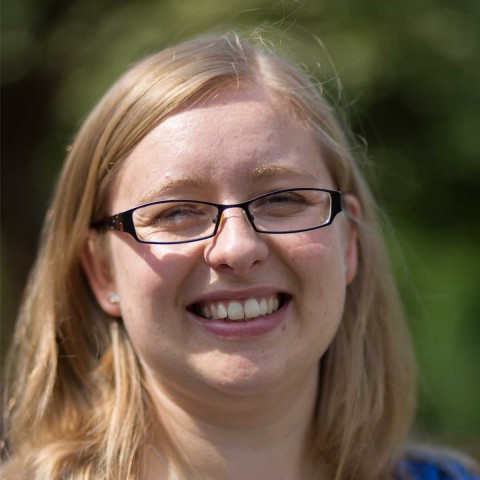
Siobhan Mullan is a Professor at the School of Veterinary Medicine, University College Dublin. A veterinary surgeon who transitioned from clinical practice to research and teaching, she focuses on delivering large-scale, long-term improvements in animal welfare. She serves on the Farmed Animal Welfare Advisory Committee (FAWAC) and the Advisory Council on Companion Animal Welfare (ACCAW), influencing national policy.
Her educational background includes a PhD from the University of Bristol. As a foundation diplomate of the European College of Animal Welfare and Behavioural Medicine (AWSEL sub-speciality), she ranks among only 120 EU-recognized veterinary specialists in this field.
Mullan's research centers on developing valid methodologies to assess animal welfare that drive large-scale improvements across multiple species. Her work spans:
- Farmed animal welfare assessment methodologies
- Companion animal ethics and welfare
- Racehorse welfare in training and post-racing careers
- Veterinary ethics through her 'Everyday Ethics' column and co-authorship of 'Veterinary Ethics- Navigating Tough Cases'
Her recent publications reveal a focus on practical welfare assessment tools across diverse species, from cattle and pigs to racehorses and companion animals. She has pioneered innovative approaches including machine vision monitoring for dairy welfare and ethical frameworks for animal welfare labeling, often bridging traditional welfare science with cutting-edge technology.
Her scientific recognition includes being a foundation diplomate of the European College of Animal Welfare and Behavioural Medicine. Her policy influence extends through FAWAC and ACCAW memberships, where she helps shape animal welfare standards.
Mullan supervises PhD students and has led significant projects including the AssureWel project and the Christian Ethics of Farmed Animal Welfare funded by the Arts and Humanities Research Council. Her collaborative approach spans multiple disciplines, working with industrial partners to integrate welfare outcome assessments into farm assurance schemes, delivering documented benefits for over 2 million farm animals annually.
Her research team develops welfare assessment protocols emphasizing both scientific validity and practical implementation. She champions multi-disciplinary collaborations that combine animal welfare science with ethics, policy development, and technological innovation to create meaningful improvements in animal lives.