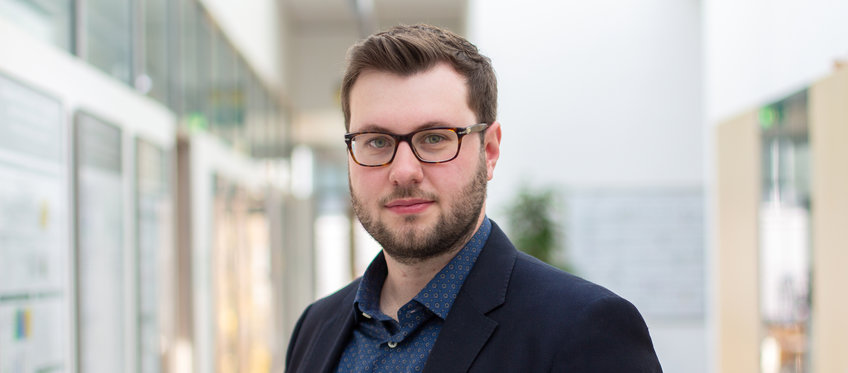
معرفی
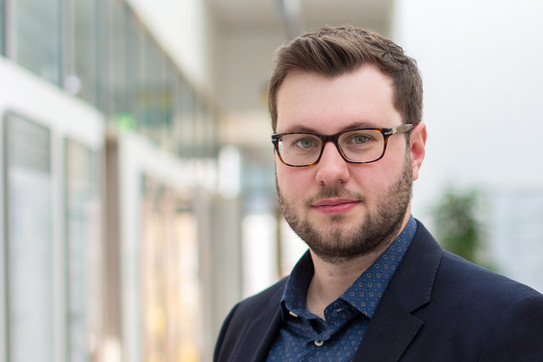
Dr. Sidney Becker serves as a Max Planck Research Group Leader at the Max Planck Institute of Molecular Physiology in Dortmund, Germany, heading the "Principles of Molecular Evolution" research group since 2021. His work bridges fundamental molecular evolution studies with applications in diagnostics and therapeutics, addressing challenges like antibiotic resistance and cancer through evolutionary principles.
Education:
- 2013-2018: Doctoral studies in Organic Chemistry at Ludwig Maximilian University (LMU) Munich under Prof. Dr. Thomas Carell
- 2011-2013: Master of Science in Organic Chemistry & Corporate Finance at University of Zurich, Switzerland (Thesis: "Bacterial RNase P as a possible drug target for peptidomimetic compounds")
Research Focus: Becker's work centers on prebiotic chemistry and the RNA world hypothesis, investigating how molecular evolution shaped life's origins. His group pioneers pathways for nucleotide synthesis under early Earth conditions while exploring modern epigenetic DNA modifications. This dual focus connects primordial chemical processes to contemporary disease mechanisms, emphasizing experimental validation of evolutionary principles through synthetic chemistry and molecular biology.
Publication Analysis: His 15 most recent publications (2016-2023) reveal three dominant threads: (1) Prebiotic nucleotide synthesis (60% of papers), featuring breakthroughs in unified pyrimidine/purine pathways and alternative genetic polymers; (2) Epigenetic DNA modifications (25%), examining carboxycytosine chemistry and sequencing technologies; (3) Interdisciplinary origin-of-life frameworks (15%), synthesizing chemical, biological, and philosophical perspectives. These works consistently appear in high-impact journals like Science and Nature Communications, demonstrating methodological innovation in wet-dry cycle simulations and photoredox catalysis.
Honors:
- 2021: Max Planck Research Group Leader (free-floater program)
- 2021: NRW Postdoc Return Program
- 2020: Marie Curie Individual Fellowship
- 2017: Center for Nanoscience Travel Award (Munich)
- 2016: Orchem Poster Award
Research Leadership: Becker directs independent investigations funded by competitive grants including the Max Planck Society's free-floater program and Marie Curie Fellowship. His group develops molecular tools for evolutionary studies while mentoring early-career researchers in chemical biology techniques. Current projects focus on harnessing evolutionary mechanisms for therapeutic applications, particularly in antibiotic resistance and cancer evolution.
Research Group: The "Principles of Molecular Evolution" team employs interdisciplinary approaches combining prebiotic chemistry simulations, nucleic acid engineering, and disease modeling. Located at the Dortmund campus, the group maintains collaborations with Cambridge University (Balasubramanian lab) and LMU Munich (Carell lab), operating specialized facilities for nucleotide synthesis and epigenetic analysis.