معرفی
Shuichiro Terasaki is a Professor at Waseda University's School of Culture, Media and Society, where he has maintained academic appointments since 1996. He currently serves as Director of the Institute of Comparative Archaeology (2021-2025). His educational background includes a Master's degree from Waseda University's Graduate School of Letters (1999) and a Bachelor's from the Faculty of Literature (1992).
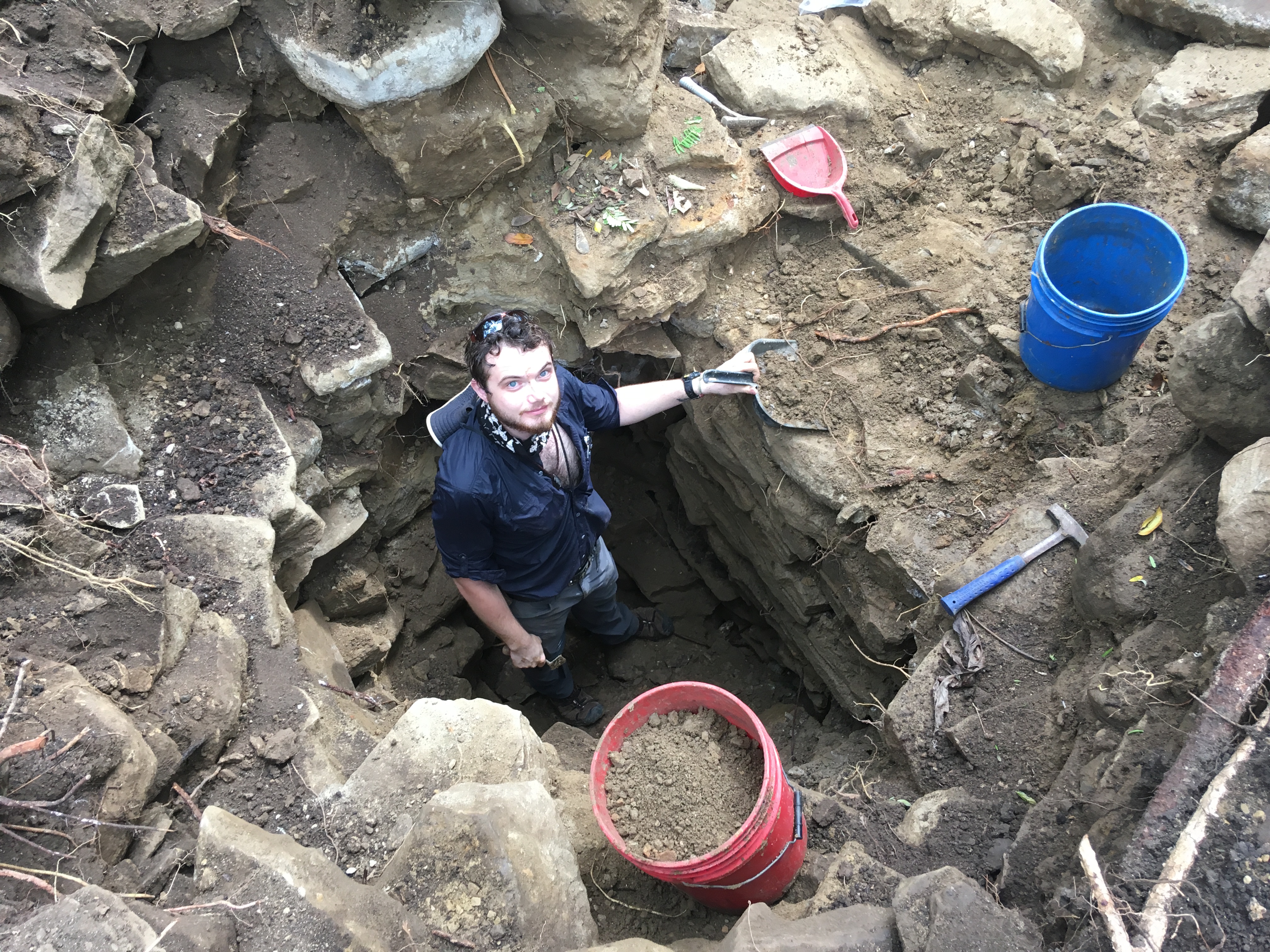
Professor Terasaki's research focuses on Mesoamerican archaeology, particularly Maya civilization, with emphasis on cultural heritage management, indigenous cultures, and the application of 3D technology in archaeological practice. His fieldwork centers on Honduras, where he has directed excavations at Copan and El Puente archaeological sites. Key research themes include:
- Urban formation processes in Maya centers
- Non-destructive surveying techniques (GPR, 3D scanning)
- Indigenous cultural tourism strategies
- Classic Maya social organization
- Ceramic production and ritual practices
His publications demonstrate a consistent focus on Maya archaeology, with recent work emphasizing digital documentation methods and heritage preservation challenges in Central America. He maintains professional memberships with the Japanese Archaeological Association, Society for American Archaeology, and Waseda University Archaeological Society.
Professor Terasaki has led multiple JSPS-funded research projects including:
- Decline processes of secondary Maya centers (2021-2025)
- Development of Maya kingship systems (2014-2018)
- 3D archaeological databases for Maya sites (2015-2017)
He teaches undergraduate and graduate courses including Ancient Society and Religion, Cultural Heritage Theory, and directs thesis research. His laboratory focuses on comparative archaeology with particular emphasis on Mesoamerican-Maya material culture analysis.