معرفی
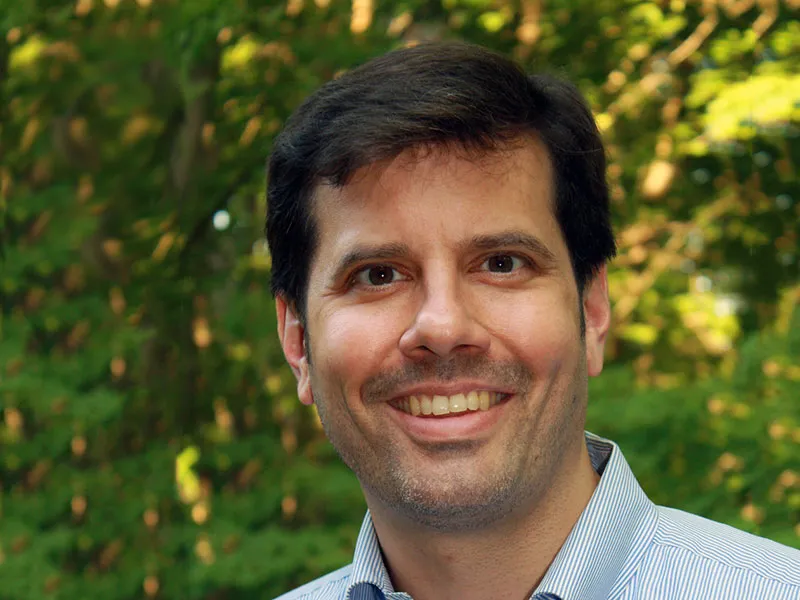
Luke Stroth is an Adjunct Professor in the Anthropology Department at the University of California, San Diego and California State University, San Marcos. His research focuses on Mesoamerican archaeology, particularly the Maya civilization of southern Belize. His work combines ceramic analysis, paleobotanical methods, and photogrammetry to understand ancient Maya diet, lifeways, and ceramic production.
Dr. Stroth received his B.A. from the University of Iowa in 2016 and his M.A. from UCSD in 2018, followed by a Ph.D. in Anthropology with a specialization in Interdisciplinary Environmental Studies from UCSD.
His research interests span multiple areas of archaeological inquiry:
- Mesoamerican archaeology with emphasis on the Classic Maya period (AD 150-850)
- Ceramic analysis and production, particularly Belize Red pottery
- Paleobotanical methods for reconstructing ancient diets and environments
- Photogrammetry and 3D modeling for archaeological documentation
- Human-environment relationships in ancient societies
His recent publications demonstrate a strong focus on the Maya site of Nim li Punit in southern Belize, with particular attention to ceramic analysis, figurine studies, and paleobotanical evidence. His work often examines how changes in material culture reflect broader social, political, and environmental dynamics during the Classic Maya period. More recently, he has expanded his research to include Iron Age sites in Jordan, examining food provisioning systems in copper production contexts.
Dr. Stroth has received several prestigious awards:
- Katzin Prize endowed fund (2016-2021)
- San Diego Fellowship (2018-2020)
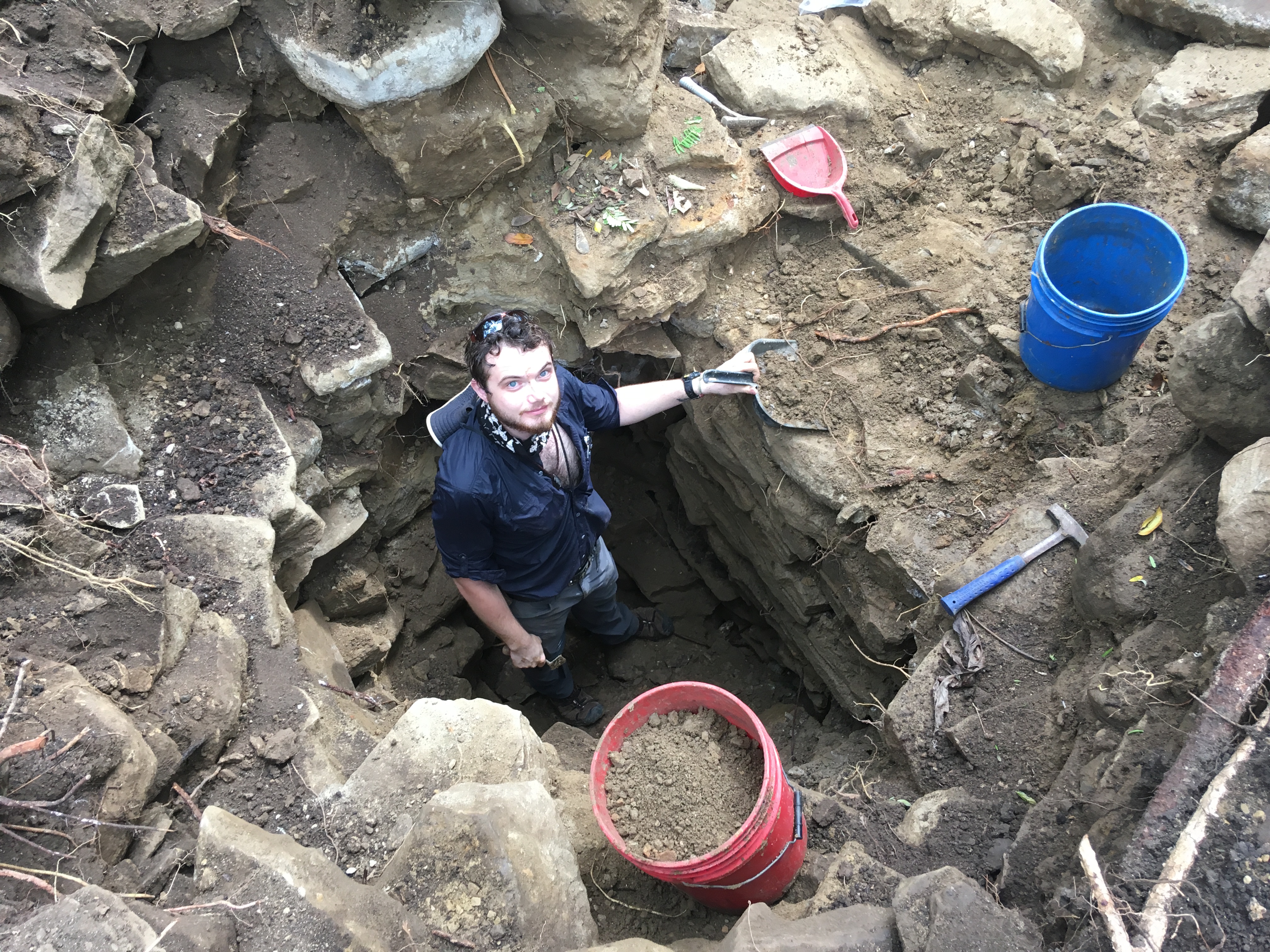
His service work includes editorial assistance for Latin American Antiquity (2018-2020) and organizing the UCSD Archaeology Colloquium Series (2016-2020). His field experience spans multiple countries including Belize, Peru, South Africa, Chiapas, and Honduras.
Dr. Stroth is actively involved in the Toledo Regional Interaction Project, which has been investigating major Maya sites in southern Belize since 2001, with particular focus on Nim li Punit, Pusilha, and Lubaantun.