معرفی
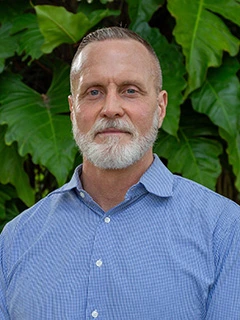
Sean Travis Allen, DrPH, MPH, is an Associate Professor in the Department of Health, Behavior and Society at the Bloomberg School of Public Health, Johns Hopkins University. His research focuses on structural drivers of public health among marginalized populations, particularly people who use drugs. He is actively engaged in advancing harm reduction, rural health equity, and drug policy reform.
- Education: DrPH from The George Washington University (2015), MPH and BS from University of Kentucky (2012, 2010)
- Postdoctoral Training: Johns Hopkins University, Drug Dependence Epidemiology Training Program
- Professional Experience: Former Senior Policy Advisor, White House Office of National Drug Control Policy
Dr. Allen’s research interests span rural health, HIV prevention, harm reduction, drug policy, injection drug use, overdose prevention, geospatial analyses, and epidemiology. His work emphasizes structural interventions and policy change as tools for reducing health disparities.
The recent publications reflect a strong trend in harm reduction research, particularly around syringe services programs, public health vending machines, fentanyl test strips, and PrEP access among people who inject drugs. His studies frequently employ mixed methods, combining quantitative modeling with qualitative insights, and focus on underserved rural communities in Appalachia and the Midwest. Geospatial analysis is a key methodological strength in assessing healthcare access disparities.
Dr. Allen has no listed scientific awards in the provided text.
He has advised or collaborated with numerous researchers and institutions, though specific student names are not listed. His work is supported by active research projects, including adapting HIV prevention interventions for rural populations and implementing syringe services in Indigenous communities. He has been involved in national policy discussions, including during his tenure at the White House ONDCP.
Dr. Allen leads or contributes to innovative projects such as public health vending machines and network-oriented HIV prevention, particularly in rural and Indigenous settings. His research often involves community-based participatory approaches and policy evaluation.