معرفی
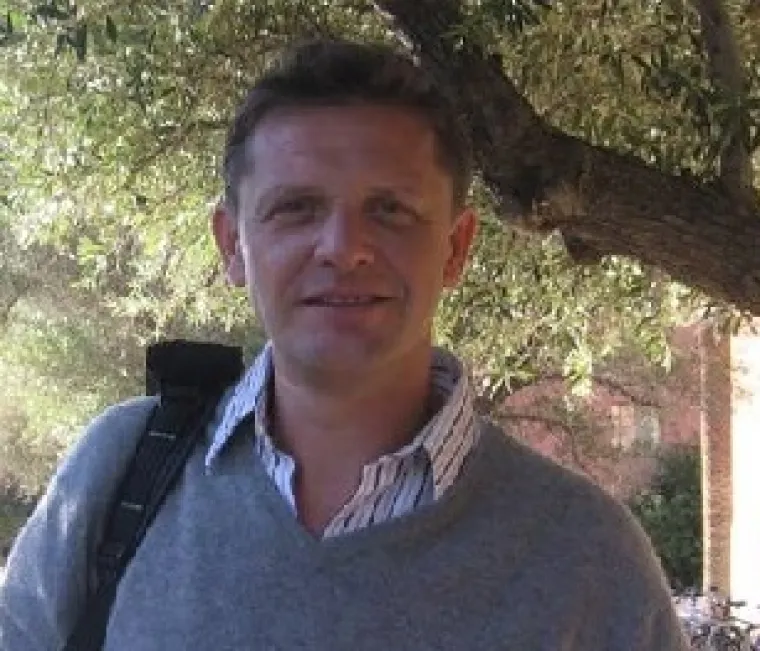
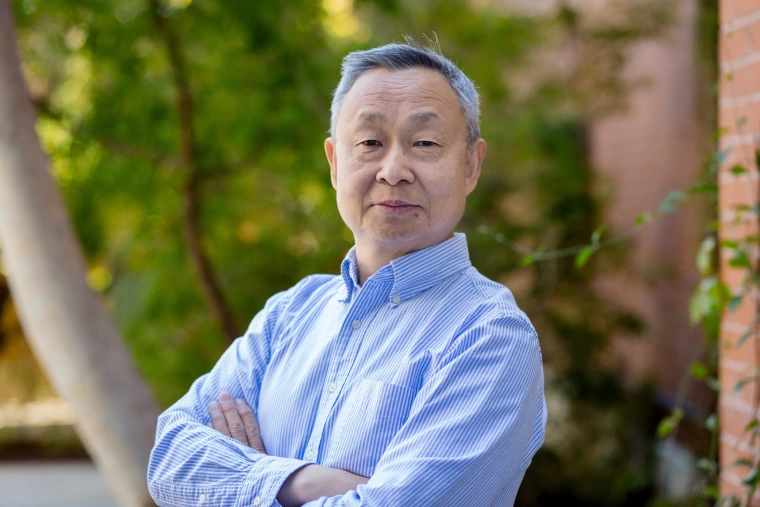
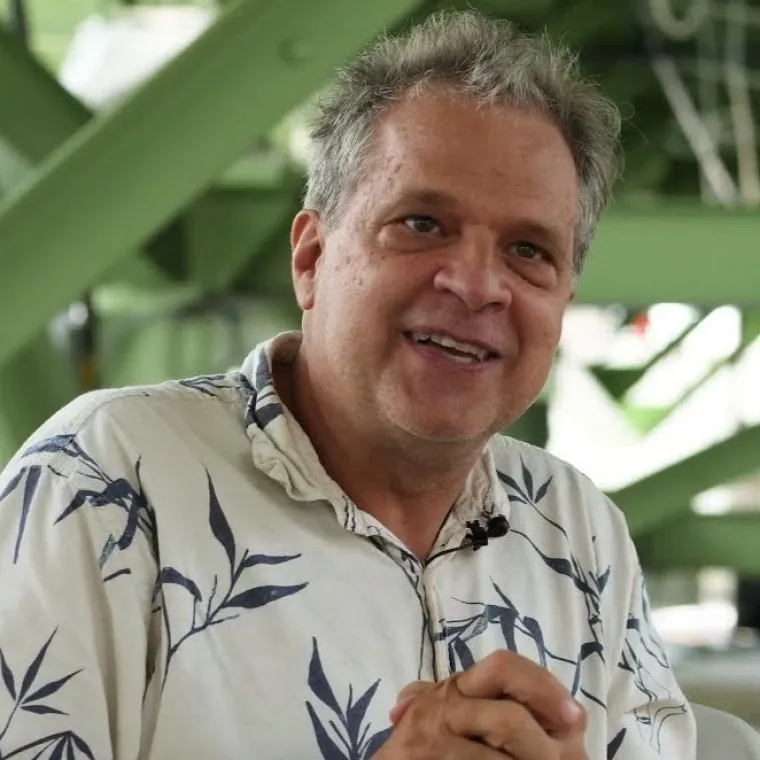
Scott Saleska is a Professor in the Department of Ecology & Evolutionary Biology at the University of Arizona. He holds a joint appointment in Soil, Water, and Environmental Sciences (SWES) and is a Faculty Affiliate at the Institute of Environment (IE). His research focuses on understanding how terrestrial vegetation and microbial communities regulate large-scale biogeochemical processes, particularly their interactions with climate systems. Saleska’s expertise spans global change ecology, remote sensing, and microbial meta-omics, with a strong emphasis on scaling ecological processes from individual organisms to global scales.
Education includes a Ph.D. in Energy and Resources from UC Berkeley (1998) and a B.S. in Physics from MIT (1986). He has held postdoctoral roles at Harvard University and has been at the University of Arizona since 2005, advancing through ranks from Assistant to Full Professor. His honors include election as a Fellow of the Ecological Society of America (2019) and the Agnese Nelms Haury Faculty Fellowship (2014–present).
Research interests integrate ecophysiology, atmospheric science, and computational modeling to study how ecosystems influence climate. Key projects include analyzing methane dynamics in Arctic peatlands, tropical forest resilience to drought, and microbial responses to permafrost thaw. Saleska’s work often employs cutting-edge tools like meta-omics and satellite remote sensing, emphasizing interdisciplinary approaches to address global environmental challenges.
His publications highlight themes such as microbial community controls on methane emissions, tropical forest phenology, and the interplay between vegetation structure and biogeochemical cycles. Collaborative projects, including studies at Stordalen Mire (Sweden) and Amazonian forests, underscore his commitment to field-based research and global climate modeling.
Awards reflect his contributions to ecology and environmental justice, while his teaching and mentorship roles further his impact on the next generation of environmental scientists. Saleska’s work bridges fundamental research and policy-relevant outcomes, addressing urgent questions about Earth’s changing systems.