معرفی
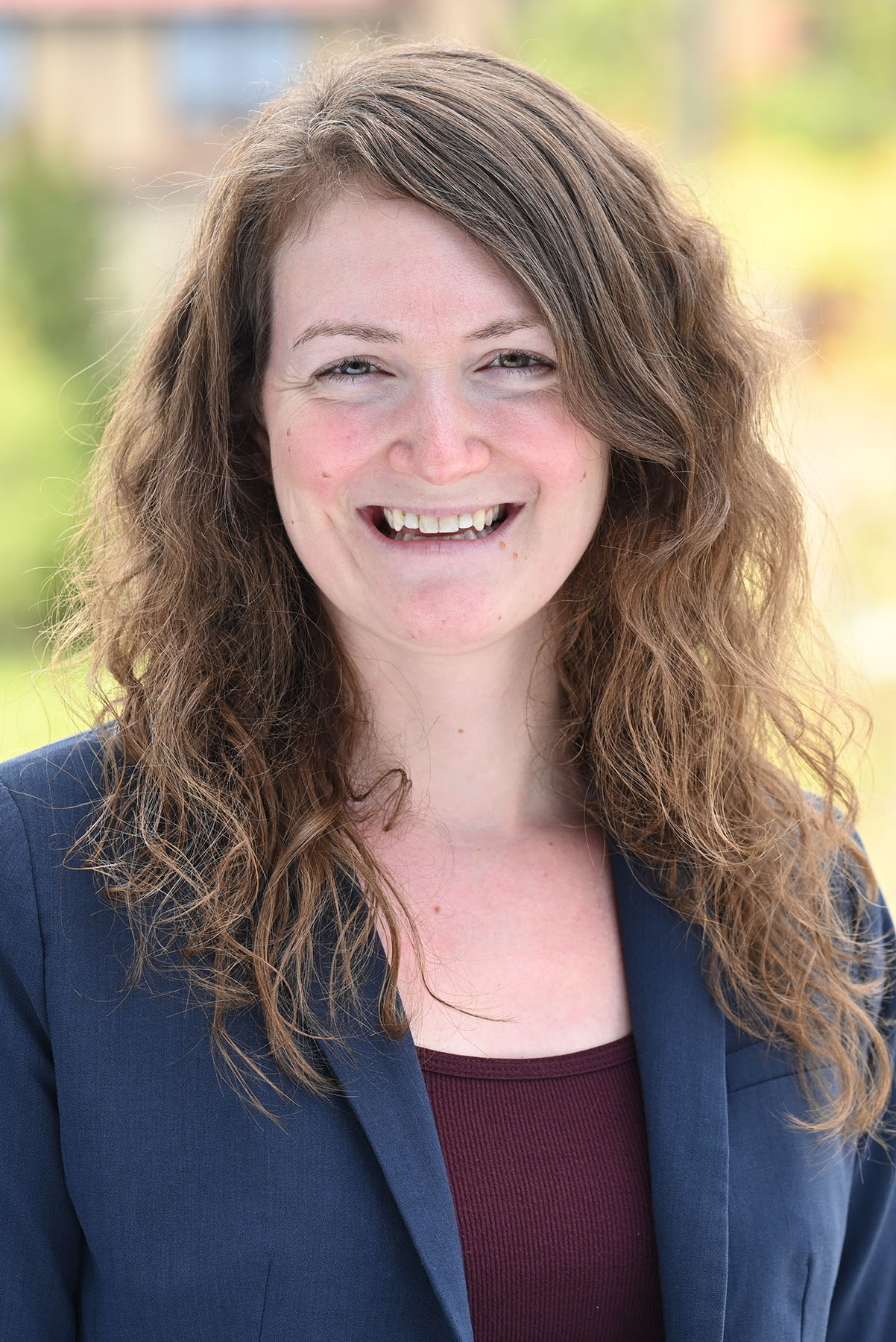
Scott Covey is an Associate Professor of Teaching and Associate Head in the Department of Biochemistry and Molecular Biology within the Faculty of Medicine at the University of British Columbia. His primary academic appointment focuses on teaching advanced biochemical techniques to undergraduate students.
Dr. Covey earned his BSc (1996) and PhD (2003) in Biochemistry from McMaster University. His educational background has shaped his expertise in both research and pedagogy within the biochemical sciences.
His research interests center on metabolism, with particular emphasis on altered metabolic states associated with obesity, diabetes, and cardiovascular disease. Most significantly, his work investigates the role of the hormone leptin in influencing metabolic pathways at organism, cellular, and molecular levels. This research has resulted in numerous publications spanning from 2003 to 2021, with recent work focusing on tissue-specific effects of leptin signaling and innovative educational approaches in biochemical techniques.
His publication record demonstrates consistent research productivity, with articles appearing in high-impact journals such as Endocrine Reviews, Cell Reports, and Diabetes. The research spans both fundamental metabolic investigations and educational innovations, particularly in laboratory-based teaching methods.
As an educator, Dr. Covey specializes in developing strong laboratory and experimentation skills through his leadership of fourth-year laboratory courses including Advanced Biochemical Techniques (BIOC 420) and Recombinant DNA Techniques (BIOC 421). His teaching approach emphasizes constant evolution of course content to reflect new research techniques and approaches, preparing students for graduate school or research careers.
Dr. Covey maintains an active research laboratory that bridges metabolic research with educational innovation, particularly in adapting laboratory courses for changing educational environments. His work demonstrates commitment to both advancing scientific knowledge in metabolic disorders and developing effective methods for training the next generation of biochemical researchers.