معرفی
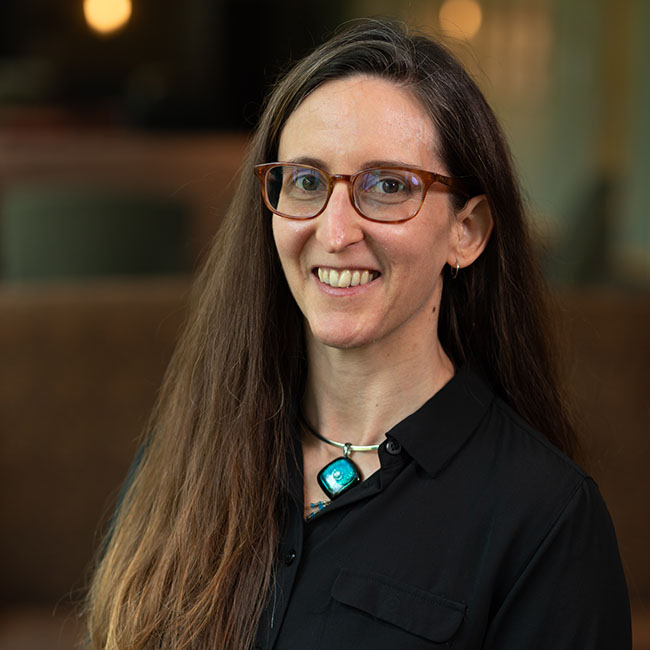
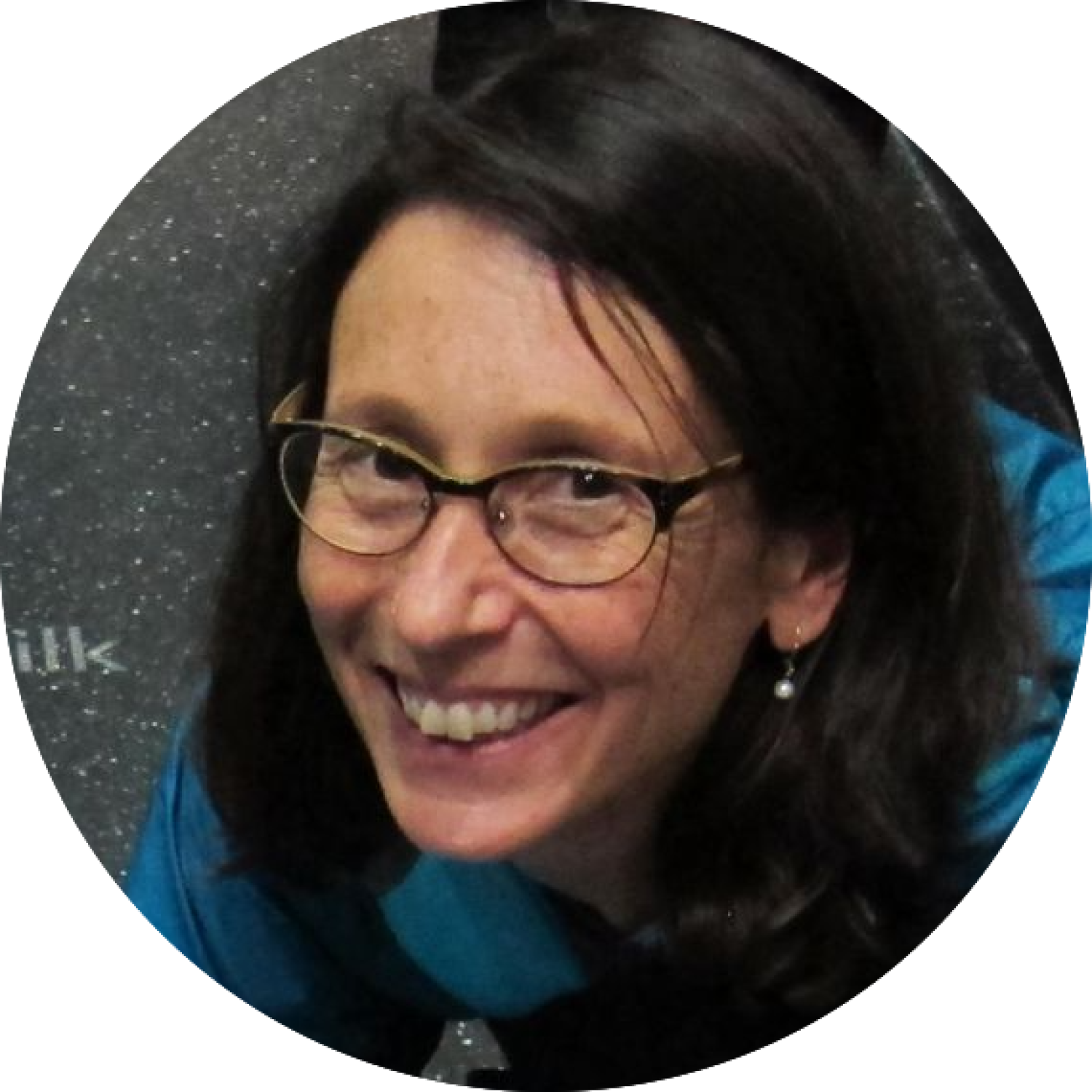
Sarah Spaulding serves as a Research Associate Ecologist with the U.S. Geological Survey and the Institute of Arctic & Alpine Research (INSTAAR) at the University of Colorado Boulder. Her career spans decades of diatom-focused research, with significant contributions to taxonomy, paleoecology, and environmental monitoring. She maintains laboratory facilities at the SEEC building (Office: S207, Lab: S173) where she leads the Diatom Laboratory and contributes to the McMurdo Dry Valleys Long-Term Ecological Research program.
Her research interests encompass diatom taxonomy, biogeography, paleoecology, and environmental assessment. Spaulding pioneered the development of Diatoms of North America (diatoms.org), a critical online resource that has modernized diatom systematics and serves as the standard reference for federal and state monitoring programs. Her work on atmospheric nitrogen deposition in western lakes has documented ecosystem responses to reactive nitrogen, while her research on Didymosphenia geminata has clarified the biology of this nuisance species. Current projects include stream assessment through the National Water Quality Assessment Program and developing species-habitat models for reference streams.
Spaulding received the 2023 Elizabeth Jester Fellows Award from the North American Lake Management Society for her career-long dedication to aquatic sciences. The award recognized her modernization of diatom systematics, leadership in developing diatoms.org (which now hosts over 1,070 peer-reviewed taxon pages), and exceptional mentorship through the Iowa Lakeside Laboratory course and Diatom Web Academy (with 60+ webinars and 15,000+ views since 2020).
She teaches the intensive summer field course Ecology and Systematics of Diatoms at Iowa Lakeside Laboratory, where she modernized curriculum, secured research-grade microscopes, and established formal scholarships. Her mentorship extends to early-career professionals in academia, consulting, and public service. Spaulding also serves the international science community as the upcoming President of the International Society of Diatom Research.
Her laboratory work through INSTAAR includes projects on stream/river assessment, North American diatom flora documentation, nitrogen deposition history reconstruction in western lakes, and Didymosphenia geminata biology. The Diatom Laboratory collaborates extensively with the U.S. Geological Survey's National Water Quality Assessment Program and the U.S. Environmental Protection Agency's monitoring initiatives.