معرفی
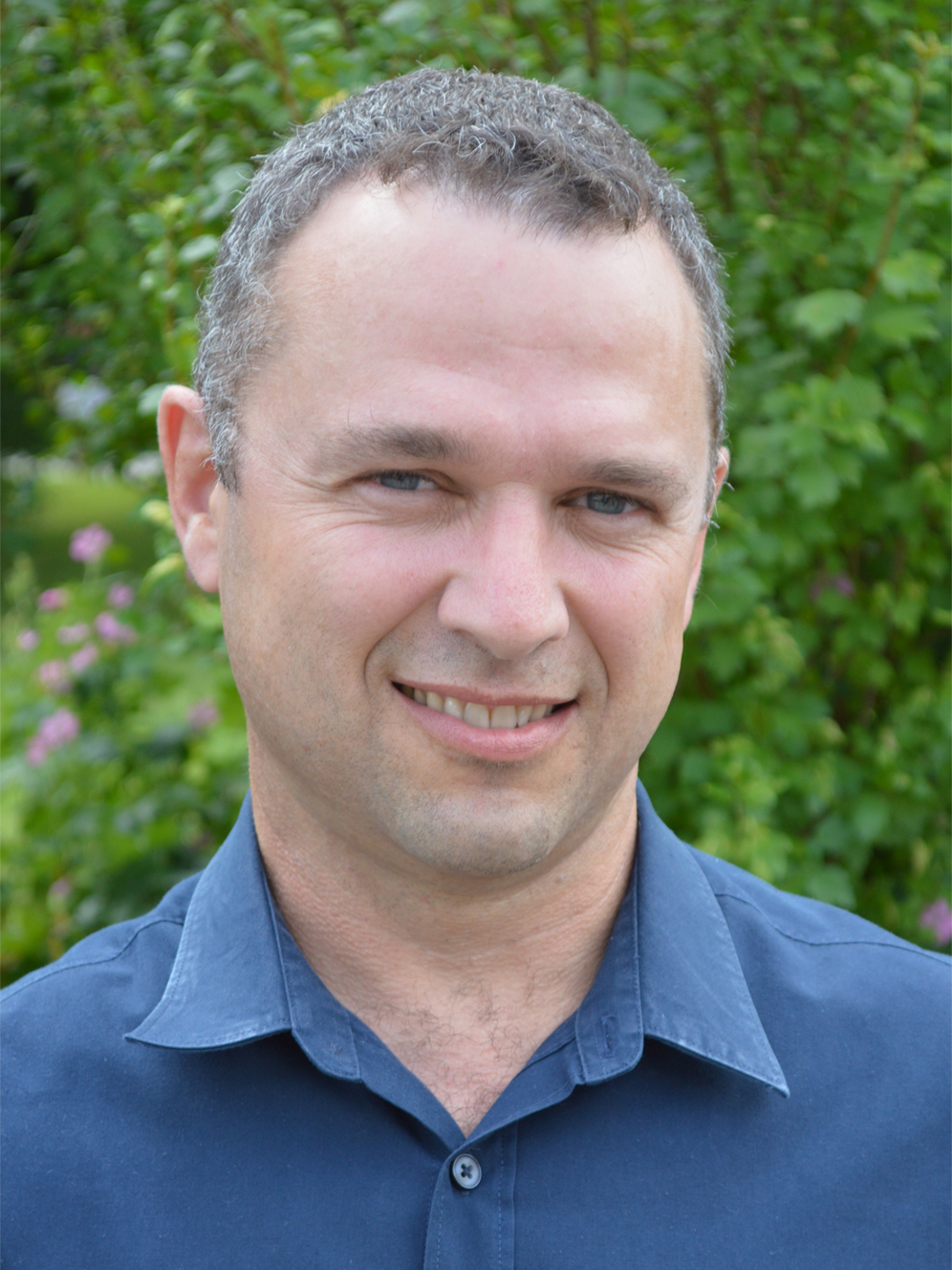
Sarah McDonald Esstman is a Professor and Associate Chair in the Department of Biology at Wake Forest University, where she leads research on rotavirus replication and evolution. She is affiliated with the College of Arts and Sciences and contributes significantly to virology and molecular biology research.
- B.S., Florida State University (2000)
- Ph.D., Vanderbilt University (2005)
- Postdoctoral Research, National Institutes of Health (2011)
Her research centers on rotaviruses, segmented double-stranded RNA viruses that cause severe diarrhea in children. She investigates the replicase-assembly mechanism, focusing on viral protein functions, assembly intermediates, and genetic diversity. Her work combines structure-guided functional analyses and genetic studies of wildtype and mutant strains to uncover how rotaviruses replicate and evolve.
The recent publications (2014–2024) reflect a strong trend in molecular virology, particularly in rotavirus polymerase (VP1), core shell proteins (VP2, VP6), and non-structural proteins (NSP2). The studies explore viral replication complexes, gene reassortment, temperature-sensitive mutants, and liquid-liquid phase separation in viral factory formation. Keywords across articles include virology, molecular biology, genetics, and evolutionary biology, with subfields ranging from enzyme kinetics to viral evolution constraints.
No scientific awards are listed in the provided text.
Dr. Esstman advises undergraduate and graduate students in virology and molecular biology research, though specific student names are not listed. She has secured research funding, as indicated by funded proposals (e.g., 2025), supporting her lab’s ongoing investigations into rotavirus mechanisms. Her research program integrates biochemical, genetic, and structural approaches to understand viral replication and evolution.
Her lab focuses on rotavirus replication dynamics, viral particle assembly, and evolutionary constraints. The team uses in vitro assays, reverse genetics, and molecular virology techniques to study viral proteins and their interactions. Research is conducted in a dedicated virology laboratory within the Department of Biology at Wake Forest University.