معرفی
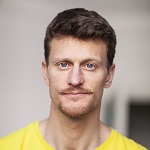
Sarah J. Willis serves as a Teaching Assistant Professor in the Department of Biological Sciences at the University of Denver's College of Natural Sciences and Mathematics. She teaches upper-level undergraduate courses in Physiology in Exercise and Disease and graduate courses in Clinical Exercise Physiology, including clinical exercise physiology with lab, exercise testing and prescription, advanced cardiovascular and pulmonary physiology, ECG interpretation, high altitude physiology, and research techniques in exercise physiology.
Dr. Willis earned her Ph.D. in Life Sciences from the University of Lausanne (2019), M.S. in Exercise Physiology from Montana State University (2010), and B.A. in Health Fitness from Gustavus Adolphus College (2008). Her doctoral research under Grégoire Millet focused on altitude training methods and blood flow restriction.
Her research centers on Exercise Physiology with specialized expertise in Altitude Physiology and Blood Flow Restriction training. She investigates skeletal muscle adaptations, cardiovascular responses, and performance outcomes during repeated sprint exercise in hypoxic conditions, integrating physiological and biomechanical methodologies. Her work has significant implications for athletic training and clinical exercise interventions.
Analysis of her 40+ publications reveals consistent focus on molecular and physiological adaptations to hypoxia and blood flow restriction. Key trends include skeletal muscle signaling pathways (e.g., S100A protein), oxidative-glycolytic balance during sprints, differential effects of hypobaric versus normobaric hypoxia, and neural mechanisms of fatigue. Her research spans sports performance optimization and clinical applications in exercise physiology.
Dr. Willis has mentored numerous master's and undergraduate students throughout her career, emphasizing laboratory skill development and research methodology. While specific grant details are not publicly documented, her prolific publication record across high-impact journals indicates sustained research funding. Her laboratory work is characterized by precise physiological measurements and innovative experimental designs in exercise science.