معرفی
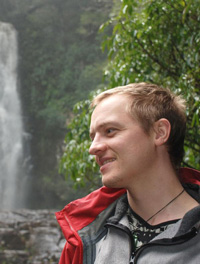
Sanne Boessenkool is a Professor at the Centre for Ecological and Evolutionary Synthesis (CEES) within the Faculty of Mathematics and Natural Sciences at the University of Oslo. Her research spans multiple disciplines including genomics, evolutionary biology, and biodiversity studies with particular focus on Nordic ecosystems and ancient DNA analysis. She works at Blindernveien 31, 0371 Oslo, and can be reached at sanne.boessenkool@ibv.uio.no or by phone at +47 22851805.
Professor Boessenkool's research interests prominently feature Genomics, Ancient DNA, Evolutionary biology, Biodiversity, and Ecological genomics, with specific emphasis on Nordic species and ecosystems. Her work integrates molecular techniques with ecological and evolutionary theory to address questions about species adaptation, population dynamics, and historical biodiversity patterns. She has made significant contributions to understanding how climate change and historical events have shaped the genetic structure of Arctic and sub-Arctic species.
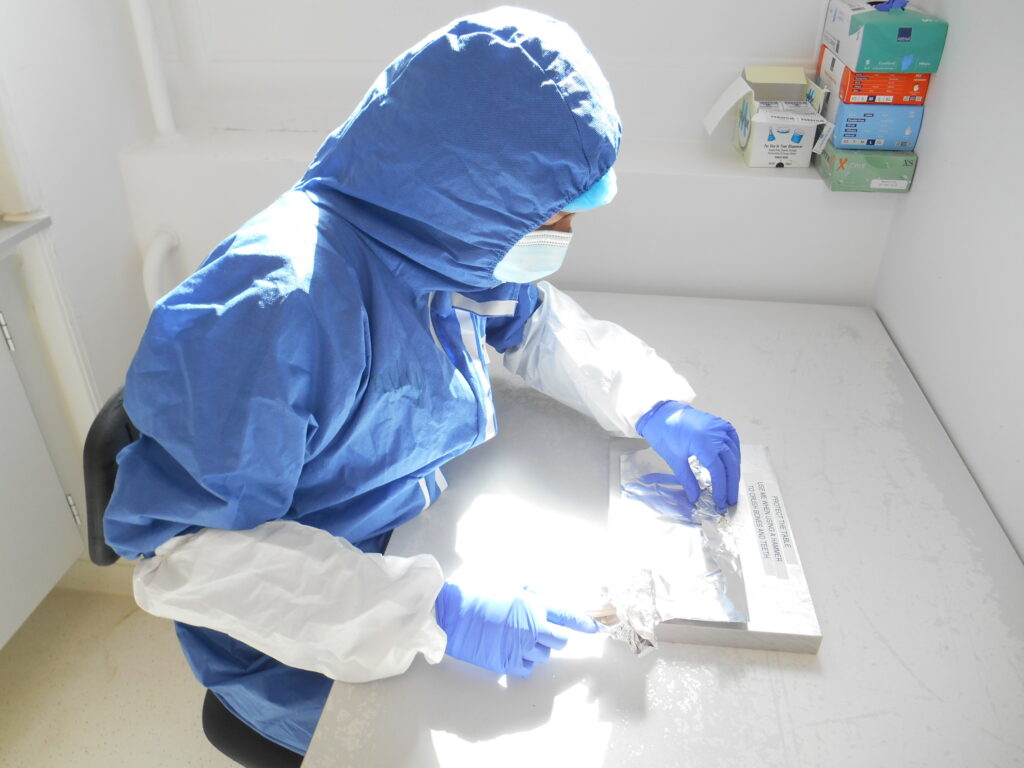
Analysis of Professor Boessenkool's recent publications reveals a strong focus on paleogenomics and ancient DNA applications across multiple species and time periods. Her work frequently examines how climate change has influenced genetic diversity and population structure in Arctic species such as Atlantic puffins, walruses, and snowy owls. She employs cutting-edge genomic techniques including chromosome-level assemblies, DNA metabarcoding, and sedimentary ancient DNA analysis to reconstruct historical biodiversity patterns and understand evolutionary processes across Quaternary timescales.
Through her leadership at CEES, Professor Boessenkool contributes to interdisciplinary research that combines population biology, statistical modeling, and genomics to explore ecology as a driving force of evolution. Her work often bridges historical and contemporary perspectives, providing valuable insights into how past environmental changes have shaped current biodiversity patterns and how species may respond to future climate challenges.