معرفی
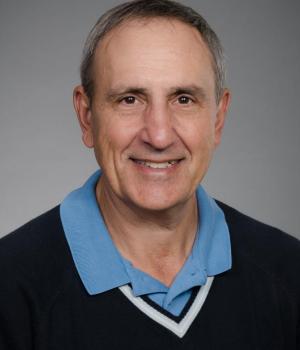
Samuel I. Miller is a Professor in the Department of Microbiology at the University of Washington School of Medicine, with joint appointments in the Department of Medicine (Division of Allergy and Infectious Diseases) and the Department of Genome Sciences. He also serves as an Adjunct Professor of Immunology. Previously a faculty member at Harvard Medical School, Dr. Miller has held leadership positions including Director of a Research Center of Excellence in Biodefense and Emerging Infectious Diseases and Director of the Cystic Fibrosis Research and Development Program at the University of Washington.
Dr. Miller holds a B.A. from Johns Hopkins University and an M.D. from Baylor College of Medicine. His research spans bacterial pathogenesis, host-pathogen interactions, and microbiome analysis, with particular focus on Salmonella and Shigella pathogens, cystic fibrosis microbiome dynamics, bacterial membrane biology, and host genetic susceptibility to infection. His laboratory employs approaches including bacterial genetics, mass spectrometry, structural biology, and human genomic studies.
Analysis of Dr. Miller's recent publications reveals consistent focus on bacterial pathogenesis mechanisms, particularly how pathogens like Salmonella interact with host cells through translocated effectors and second messengers. His work increasingly integrates human genetic variation with microbial pathogenesis, especially in cystic fibrosis contexts. The publications span microbiology, immunology, structural biology, and clinical medicine, reflecting his interdisciplinary approach to understanding host-pathogen interactions.
Dr. Miller leads an active research laboratory organized into specialized groups studying various aspects of bacterial pathogenesis and host responses. His team employs diverse methodologies including bacterial genetics, bioinformatics, structural analysis, and human genomic studies to investigate fundamental mechanisms of infection and immunity.