معرفی
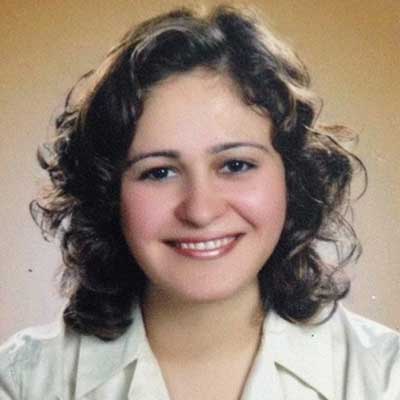
Dr. Samet Şahin is a Lecturer in Chemical Engineering at Lancaster University's School of Engineering, where he leads the Şahin Research Group. His research focuses on developing solutions to healthcare challenges through scientific breakthroughs in biochemical systems and material science. He specializes in bioelectrode development, device design, and alternative materials research, with applications in wearable and implantable medical devices. Dr. Şahin has established collaborations across multiple countries and serves on committees for professional organizations including the Institution of Chemical Engineers (IChemE), Society of Chemical Industry (SCI), and Royal Society of Chemistry (RSC).
Dr. Şahin holds a PhD and has received professional recognition as a Fellow of Advance HE (FHEA), Associate Member of IChemE (AMIChemE), and Member of the Royal Society of Chemistry (MRSC). His educational background includes a PhD Scholarship from the Republic of Türkiye Ministry of National Education (2012-2017) and a Fulbright Opportunity Grant (2010). Prior to joining Lancaster University, he taught in Chemical Engineering, Bioengineering, Materials Engineering, Biotechnology, and Molecular Biology programs.
Dr. Şahin's research vision centers on translating basic scientific discoveries into practical healthcare solutions. His group investigates bioelectrochemical systems with a focus on developing biosensors for medical diagnostics and monitoring. Key research areas include:
- Development of enzymatic and aptamer-based biosensors for disease biomarkers
- Creation of wearable and implantable medical devices
- Investigation of alternative materials, including carbonized biomass sources
- Electrochemical detection systems for healthcare applications
- Material science innovations for improved sensor performance
His interdisciplinary approach bridges chemical engineering, material science, and healthcare technology to address real-world medical challenges.
An analysis of Dr. Şahin's recent publications reveals a strong emphasis on electrochemical biosensing technologies, particularly for healthcare applications. His work spans glucose monitoring, cancer biomarker detection, environmental contaminant analysis, and neurotransmitter sensing. A notable trend is the increasing focus on sustainable materials, with multiple studies utilizing carbonized biomass and green chemistry approaches. His research demonstrates a progression from fundamental electrochemical studies toward more applied medical device development, reflecting his vision of translating basic research into practical healthcare solutions.
Dr. Şahin has received numerous professional accolades including:
- Fellow of Advance HE (FHEA, 2025)
- Research Excellence Awards from Bilecik SE University (2022, 2023)
- Fulbright Post Doctoral Fellowship (2020)
- Winner of Engineering YES Elevator Pitch Prize (2013)
- Fulbright Opportunity Grant (2010)
Dr. Şahin supervises two postgraduate research students and offers undergraduate projects suitable for Chemical Engineering students. He has secured research funding from diverse international sources including the Scientific and Technological Research Council of Türkiye (TÜBİTAK), Health Institutes of Türkiye (TÜSEB), Breakthrough T1D (USA), and the Fulbright Commission. His external review activities demonstrate significant recognition in the field, serving as an expert reviewer for UK Research and Innovation (UKRI), Breakthrough T1D, Fulbright Commission, TÜBİTAK, and TÜSEB. As a STEM Ambassador, he actively engages in educational outreach to promote science and engineering.
The Şahin Research Group operates from laboratory facilities in the Engineering Building at Lancaster University. The group maintains an interconnected structure that encourages collaboration among researchers from diverse backgrounds. Current projects focus on developing innovative biosensing technologies for healthcare applications, with particular emphasis on creating cost-effective and environmentally friendly solutions. The group participates in national and international conferences, including recent presentations at Electrochem 2025 at Northumbria University, and maintains active collaborations with researchers worldwide.