معرفی
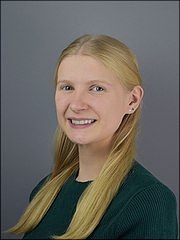
Ryan Stephens is an Assistant Professor in the Department of Biological Sciences within the School of Science, Engineering, and Math at East Tennessee State University. His research bridges animal ecology, fungal ecology, and forestry to understand how small mammals influence forest ecosystems through their consumption and dispersal of fungal spores and seeds. He maintains affiliations with multiple natural history museums as a specimen depositor and serves as a Curatorial Affiliate at the Yale Peabody Museum of Natural History.
Dr. Stephens' research focuses on the intricate relationships between mycorrhizal fungi, small mammals, and trees. He investigates how small mammals act as dispersal vectors for mycorrhizal fungi, which are essential for tree nutrient and water uptake, similar to pollinator-plant relationships. His work examines how these interactions affect forest regeneration, particularly following timber harvesting, and how resource availability influences small mammal behavior and dietary niches. His methodological approach integrates field surveys and experiments with isotopic analyses, microscopy, and modeling to understand ecological processes across multiple spatial and temporal scales.
Analysis of his recent publications (2020-2024) reveals a strong focus on mammal-fungal interactions, trophic ecology, and forest ecosystem functioning. His work spans multiple disciplines including mammalogy, mycology, stable isotope ecology, and forest management. Key themes include the role of rodents in fungal spore dispersal networks, effects of resource availability on small mammal behavior, and implications of forest management practices on ecosystem recovery. His research demonstrates how small-scale interactions between mammals and fungi scale up to influence larger ecosystem processes.
Dr. Stephens has mentored numerous undergraduate students, with 13 completing independent research projects under his guidance. Five of these students have become co-authors on peer-reviewed publications, and four are pursuing graduate studies in biology or natural resources. His teaching includes courses in Vertebrate Zoology, Animal Evolution and Ecology, and Biometry, reflecting his expertise in both theoretical and quantitative aspects of ecology.
In addition to his research and teaching, Dr. Stephens is deeply involved in natural history collections, having deposited over 6,000 mammal specimens and hundreds of truffle specimens in museums across the United States. He has trained dozens of students in specimen preparation techniques and advocates for the importance of museum collections in ecological research and education.