
معرفی
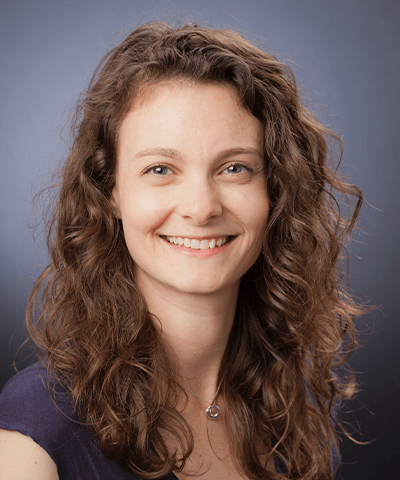
Ruth Franklin, Ph.D. serves as Assistant Professor of Stem Cell and Regenerative Biology at Harvard University's Faculty of Arts and Sciences and is Principal Faculty at the Harvard Stem Cell Institute. Her laboratory is based at Harvard Medical School (77 Avenue Louis Pasteur, Boston, MA) where she leads research at the intersection of immunology and regenerative biology, focusing on macrophage biology and tissue repair mechanisms.
Dr. Franklin received her B.A. in Biology with a minor in Sociology from Bowdoin College in Maine. She earned her Ph.D. in Immunology and Microbial Pathogenesis from Weill Cornell Graduate School of Medical Sciences, conducting thesis research at Memorial Sloan Kettering Cancer Center under Dr. Ming Li. She subsequently completed postdoctoral training in the laboratory of Dr. Ruslan Medzhitov at Yale School of Medicine, where she expanded her expertise in macrophage biology and tissue homeostasis.
Her research program investigates fundamental biological principles at the intersection of immunology and regenerative biology, with particular emphasis on the role of immune cells in tissue building and rebuilding during injury, infection, and cancer. The Franklin Lab employs interdisciplinary approaches to define communication circuits between innate immune cells (particularly macrophages) and non-immune cell types including epithelial cells, endothelial cells, fibroblasts, and sensory neurons at mucosal barrier sites. Current work focuses on identifying molecular mechanisms by which immune cells contribute to tissue remodeling and repair, and how dysregulation of these pathways drives disease development.
Analysis of Dr. Franklin's 15 most recent publications reveals consistent research themes centered on macrophage biology, tissue homeostasis, and immune cell communication circuits. Her work demonstrates progression from early focus on tumor-associated macrophages to broader investigations of macrophage functions in tissue repair, inflammation resolution, and metabolic homeostasis. Key methodological approaches include computational modeling of cell circuits, in vivo models of infection and injury, and detailed cellular and molecular characterization of immune-stromal interactions. Recent publications highlight emerging interests in neuroimmune interactions and specialized macrophage populations in specific tissue contexts.
Dr. Franklin teaches two courses at Harvard: SCRB 177 (Demystifying the Immune System), which explores immune responses during infection and inflammation, and FYSEMR 53D (The Cure Within: Fighting Cancer with Your Immune System), a seminar on cancer immunology and immunotherapy. Both courses emphasize primary literature analysis and science communication to the public.
The Franklin Lab maintains active research programs investigating macrophage functions in multiple tissue contexts, with particular expertise in lung immunity, cancer microenvironments, and metabolic tissues. Current work employs advanced techniques for isolating and characterizing myeloid and epithelial cell populations, and examines how macrophage-derived factors like oncostatin M contribute to epithelial barrier repair during inflammatory damage.
Ruth Franklin در جاهای دیگر
جستجوهای مرتبط
شاید اینها هم به کارتان بیاید
- RRuslan MedzhitovYale University · استاد
 Zuri SullivanHarvard University · پژوهشگر ارشد
 Wai Kee Eddie IpMayo Clinic College of Medicine and Science · استادیار
- YYuxuan MiaoUniversity of Chicago · استادیار
- MMokarram HossainUniversity of Arkansas for Medical Sciences · استادیار
 Robert SaxtonUniversity of California, Berkeley · استادیار