

معرفی
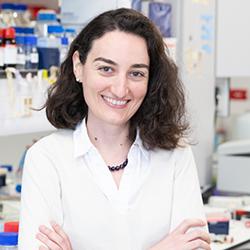
Roy Sillitoe, Ph.D. is a Professor in both the Department of Pathology and the Department of Neuroscience at Baylor College of Medicine in Houston, Texas. His research is conducted at the Duncan Neurological Research Institute, where he leads the Sillitoe Lab focused on understanding brain circuit development and neurological disorders.
Dr. Sillitoe received his Ph.D. from the University of Calgary in 2003, followed by postdoctoral fellowships at the University of Oxford (2004), New York University School of Medicine (2006), and Memorial Sloan-Kettering Cancer Center (2008).
Dr. Sillitoe's research focuses on the developmental origins of neurological diseases, particularly examining how precise neural circuitry is established during brain development and how disruptions lead to conditions like ataxia, dystonia, and autism spectrum disorders. His lab uses the cerebellum as a model system due to its well-organized architecture and established circuit connections. The Sillitoe Lab employs an interdisciplinary approach combining mouse molecular genetics, high-resolution neuroanatomy, and in vivo electrophysiology to study how genes and neural activity interact to establish functional neural circuits that control complex behaviors. Their work has revealed how cerebellar patterning cues control the precise targeting of neural connections required for smooth purposeful movements.
Analysis of Dr. Sillitoe's recent publications reveals a strong focus on cerebellar development, neural circuit mapping, and the genetic basis of neurological disorders. His work has made significant contributions to understanding the zonal organization of the cerebellum, the role of specific genes (particularly engrailed homeobox genes) in neural circuit formation, and the relationship between cerebellar dysfunction and motor coordination disorders. The research employs advanced techniques including multicolor neural circuit mapping, whole-mount immunohistochemistry, and analysis of gene expression patterns in mouse models.
Dr. Sillitoe is actively involved in research funding, with support from NINDS grant #NS089664 for his project 'Synaptic origins of cerebellar disease.' His lab includes research assistants, associates, and collaborators working on various aspects of cerebellar development and function.
The Sillitoe Lab maintains a strong presence in the neuroscience community, with members participating in professional organizations including the Society for Neuroscience, American Physiological Society, and Society for Research on the Cerebellum and Ataxias. The lab has developed numerous protocols for studying cerebellar development and function, including specialized techniques for immunohistochemistry, tissue processing, and neural circuit mapping. Their ultimate goal is to uncover the developmental mechanisms affected by disease-linked genes, with the hope of identifying novel therapeutic targets to improve quality of life for individuals with neurological disorders.
Roy Sillitoe در سایتهای دیگر
جستوجوهای مرتبط
شاید اینها هم برایتان مناسب باشند
 Javier F. MedinaBaylor College of Medicine · استاد
 Hirofumi FujitaUniversity of Texas Southwestern Medical Center · استادیار
 Stephanie RudolphAlbert Einstein College of Medicine · استادیار
 Meike van der HeijdenVirginia Polytechnic Institute and State University · استادیار
- LLaurens BosmanErasmus University Rotterdam · استادیار
 N. Sumru BayinUniversity of Cambridge · پژوهشگر