معرفی
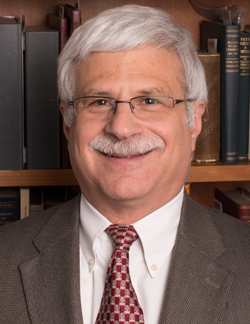
Roy G. Spece, Jr. is the John D. Lyons Professor of Law at the James E. Rogers College of Law, University of Arizona, where he has taught constitutional law, health law, bioethics & law, and medical litigation since 1975. He is a member of the Arizona and California Bars and has held leadership roles including President of the University of Arizona Faculty Association and Chairman of the Law & Medicine Section of the American Association of Law Schools.
His educational background includes:
- J.D. from the University of Southern California (1972), graduating with Highest Honors as first in class and receiving the Law Alumni Award.
- B.A. from California State University, Long Beach (1972), graduating summa cum laude as the university's top scholar/athlete.
Professor Spece pioneered the interdisciplinary fields of bioethics and law and conflicts of interest in clinical practice. His research centers on constitutional issues and rights of vulnerable populations at the intersection of law, medicine, science, and ethics. He emphasizes patient autonomy, ethical dilemmas in healthcare, and legal frameworks for medical decision-making through rigorous interdisciplinary analysis.
His publications from 1996-2017 reveal consistent focus on conflict-of-interest dynamics, constitutional challenges to health legislation, and medical tourism regulation. Key trends include empirical analysis of patient decision-making, Fourth Amendment applications in academic settings, and protections for marginalized groups in healthcare systems, demonstrating his commitment to bridging legal theory with practical medical ethics.
His scientific recognition includes:
- Fellow of the American Association for Justice (formerly American Trial Lawyers Association)
Professor Spece has advised numerous law students throughout his career and contributed to policy development through roles on the Arizona Study Commission on Insurance and El Pueblo Neighborhood Health Care Clinic Board. His editorial service for Law & Human Behavior and consultation for the National Commission for the Protection of Human Subjects further demonstrate his impact on legal-ethical frameworks.
His work integrates with medical education through longstanding affiliation with the University of Arizona College of Medicine, where he taught Medical Jurisprudence until 2000, fostering collaboration between legal and medical disciplines in addressing complex bioethical challenges.