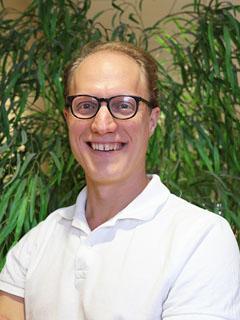
معرفی
Robin Nusslock is Professor and Director of Clinical Psychology and Director of Clinical Training in the Department of Psychology at Northwestern University. His research program investigates neural mechanisms of emotional disorders through neuroscientific approaches, with emphasis on brain-immune interactions and translational applications for depression, anxiety, addiction, and mania.
Research Focus
Dr. Nusslock's laboratory employs neurophysiology and structural/functional neuroimaging to examine brain systems generating positive and negative emotions, particularly prefrontal cortex regulation. Current research explores how stress impacts emotional brain systems and bidirectional brain-immune signaling in mental and physical health resilience. The lab integrates developmental perspectives to understand neuroimmune mechanisms in depression and reward processing abnormalities across mood disorders and schizophrenia.
Publication Trends
Recent work (2025-2017) demonstrates consistent focus on neuroimmune networks in depression, socioeconomic influences on brain function (poverty/neighborhood violence), and functional connectivity in emotion regulation. Key themes include corticostriatal reward pathways, transdiagnostic symptom dimensions, and developmental frameworks for emotional disorders, with increasing emphasis on biomarker identification and global mental health applications.
Professional Recognition
- Elected President of the Society for Research in Psychopathology (SRP) (2025)
Mentorship and Leadership
As Director of Clinical Training, Dr. Nusslock oversees Northwestern's clinical psychology program while mentoring graduate students in the Affective & Clinical Neuroscience Lab. Lab members have secured prestigious awards including NSF Graduate Research Fellowships and clinical internships at top institutions. His collaborative work spans multiple universities and NIH-funded projects examining stress, inflammation, and brain function.
Laboratory Activities
The Affective & Clinical Neuroscience Lab actively investigates emotional brain mechanisms through fMRI, physiological measures, and computational modeling. Current projects include neurodevelopmental frameworks for reward processing, brain-immune interactions in depression, and socioeconomic impacts on neural circuitry. Recent lab news highlights new publications in Nature Mental Health and Biological Psychiatry, student awards, and conference presentations at SRP and SOBP meetings.