معرفی
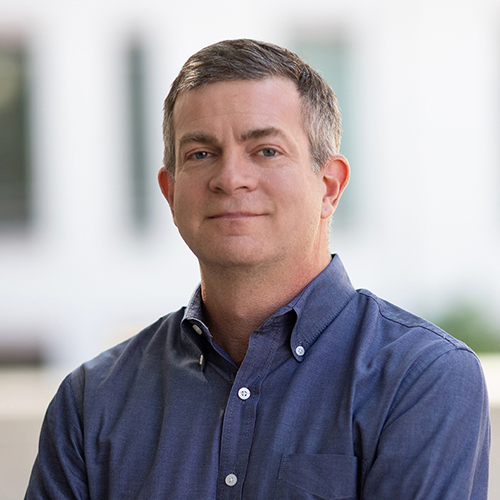
Robert P Kraynak is a Professor in the Department of Political Science at Colgate University, where he has established himself as a prominent scholar in political philosophy with a focus on religion and politics, natural law, and American political theory. His academic career spans several decades, during which he has contributed significantly to the understanding of classical political thought, particularly the works of Thomas Hobbes and John Locke, while also engaging with contemporary debates on law, morality, and religious foundations of political order.
Professor Kraynak's research interests encompass a wide range of topics within political philosophy:
- Political philosophy with special attention to classical thinkers
- Religion and politics, particularly Christian political thought
- Natural law theory and its applications
- American political theory and the founding era
- The intersection of law, morality, and political order
- Hobbesian and Lockean studies
Professor Kraynak's scholarly output demonstrates consistent engagement with the relationship between philosophical foundations and practical political concerns. His recent work has increasingly focused on natural law theory, examining both its historical development and contemporary relevance. He has made significant contributions to understanding the Hart-Fuller debate from a classical perspective, bridging ancient philosophical insights with modern legal theory. His scholarship often explores how religious traditions, particularly Christianity, have shaped political thought and institutions, while also examining tensions between faith-based and secular approaches to political order.
Professor Kraynak's work has been published in prominent journals including The Review of Politics, American Political Science Review, The Journal of Markets and Morality, and The Journal of Politics, establishing him as a respected voice in political philosophy.
As a long-standing faculty member at Colgate University, Professor Kraynak has mentored numerous students through his teaching, though specific names of advisees are not provided in the available information. His research bridges historical political thought with contemporary political concerns, making him a valuable contributor to ongoing academic discourse.
Professor Kraynak's interdisciplinary approach connects philosophy, history, theology, and political science, placing him at the intersection of multiple scholarly conversations about the philosophical foundations of political order.