معرفی
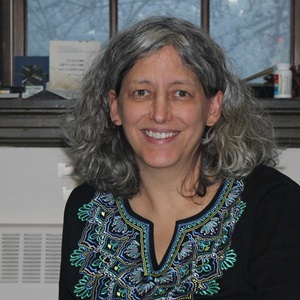
Dr. Robert Matts is a Regents Professor in the Department of Biochemistry & Molecular Biology at Oklahoma State University. He has held this position since 2011 and specializes in molecular chaperone biology, particularly focusing on the heat shock protein Hsp90 and its role in cancer progression. Dr. Matts earned his B.A. in Chemistry from Hamline University (1974) and his Ph.D. in Physiological Chemistry from the University of Wisconsin-Madison (1980). His postdoctoral work under Dr. Irving M. London at MIT laid the foundation for his research on translational regulation and molecular chaperones.
His research interests center on Hsp90’s role as a master chaperone, its implications in oncogenesis, and the development of Hsp90 inhibitors as anticancer therapeutics. Key areas include isoform-selective inhibitors targeting Hsp90α, Hsp90β, and TRAP1, as well as mechanisms governing Hsp90’s conformational dynamics and client protein stabilization. Dr. Matts’ lab has pioneered structural and functional studies of Hsp90’s domains and co-chaperone interactions, including Cdc37 and Aha1.
Dr. Matts has secured extensive funding from NIH, OCAST, and other agencies for projects on Hsp90 inhibitors, natural product screening, and host defense peptide induction. His teaching responsibilities include advanced biochemical techniques, protein structure/function courses, and seminars for graduate students. Over 100 scholarly works highlight his contributions to Hsp90 biology, proteomics profiling, and drug discovery.
Notable achievements include identifying novel TRAP1-selective inhibitors, elucidating W320’s role in Hsp90 conformational changes, and designing isoform-selective inhibitors like KU174. His work bridges structural biology, pharmacology, and clinical applications, aiming to improve cancer therapies through targeted Hsp90 modulation.