معرفی
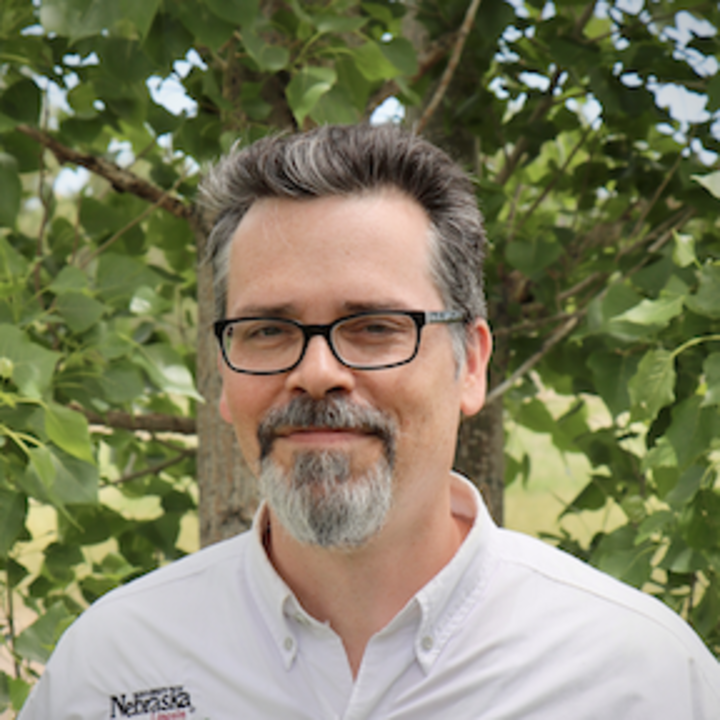
Dr. Robert K. D. Peterson is a Professor of Entomology in the Department of Land Resources and Environmental Sciences at Montana State University, where he also serves as Director of the Online Masters Program in Environmental Sciences. He joined MSU in 2002 and was promoted to Professor in 2011. Dr. Peterson received his Ph.D. in Entomology from the University of Nebraska-Lincoln in 1995 and maintains an adjunct appointment in the Department of Entomology at his alma mater.
Dr. Peterson's research program centers on agricultural and biological risk assessment, with three interconnected focus areas:
- Biotechnology risk - including glyphosate-tolerant crops, Bt crops, and plant-based biopharmaceuticals
- Invasive species risk - particularly human health risks from vector-borne diseases like West Nile Virus
- Pesticide risk - comparative assessments of different control methods and their environmental impacts
His additional research interests include plant-stress ecophysiology, with particular focus on wheat physiological responses to the wheat stem sawfly, and integrated pest management theory with emphasis on economic decision levels. Dr. Peterson has developed innovative approaches to comparative risk assessment that integrate multiple lines of evidence for improved environmental health decision-making.
Dr. Peterson teaches Biological Risk Assessment (ENSC 407, LRES 507) each Fall Semester, and Insect Ecology (ENTO 510) and Special Topics Seminar (ENTO 594) in even years during Spring Semester. His teaching reflects his expertise in risk assessment methodology and ecological principles.
Professional Recognition
With 112 refereed publications and 14 book chapters to his name, Dr. Peterson has established himself as a leading researcher in agricultural risk assessment. His work spans entomology, environmental science, agricultural science, and risk assessment fields.
Mentorship and Collaboration
Dr. Peterson currently supervises four MS students and has successfully guided 11 graduate students to completion throughout his career. His research group, the AgBiosafety Entomology Group, fosters interdisciplinary collaboration across entomology, plant science, environmental toxicology, and risk assessment disciplines.