معرفی
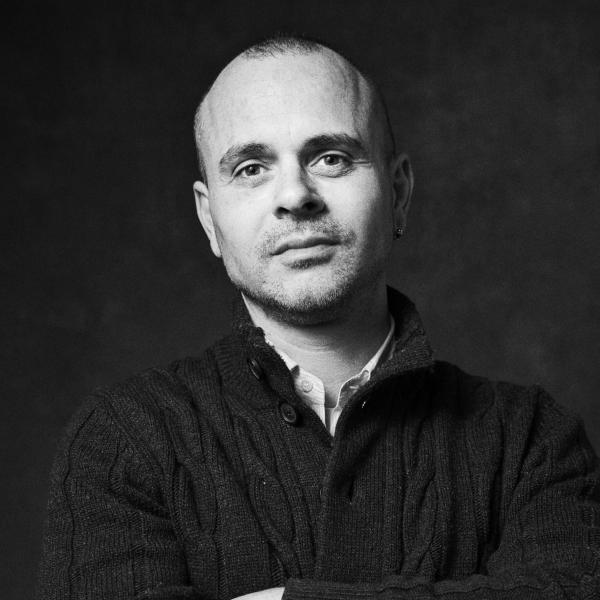
Robert Henke is a Professor of Drama and Comparative Literature at Washington University, serving as Director of Graduate Studies for the M.A. in Performance Studies. He holds a PhD from the University of California, Berkeley. His research focuses on Ancient and Renaissance Theater, Comparative Literature, and Dramatic Theory, with a particular emphasis on early modern theatrical networks, commedia dell’arte, and the interplay between performance and literature. Current projects include studies on Shakespearean-Italian dramatic connections, transnational theater networks, and a performance-centered sourcebook on commedia dell’arte.
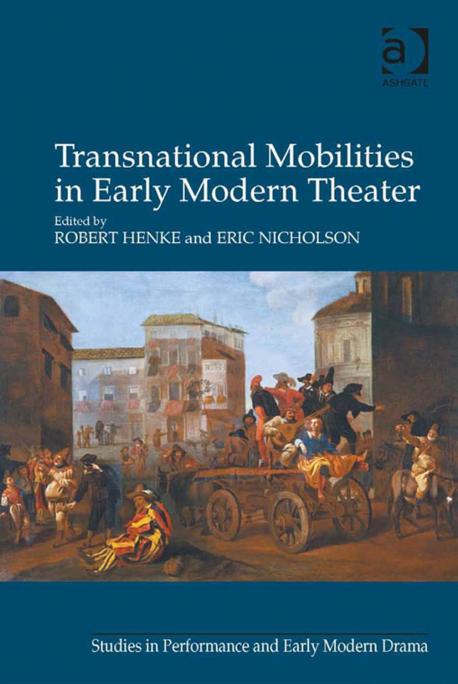
Henke has authored three monographs: *Pastoral Transformations: Italian Tragicomedy and Shakespeare’s Late Plays* (1997), *Performance and Literature in the Commedia dell’Arte* (2002), and *Poverty and Charity in Early Modern Theater and Performance* (2015). He co-edited volumes such as *Transnational Exchange in Early Modern Theater* (2008) and *Transnational Mobilities in Early Modern Theater* (2014), and has contributed extensively to journals and edited collections. His work explores themes like orality in performance, genre hybridity, and the cultural mobility of theatrical forms.
Henke’s research highlights the interconnectedness of early modern European theater traditions, examining how performance practices, texts, and ideas circulated across borders. His recent articles analyze topics ranging from commedia dell’arte’s influence on Shakespeare to the material and spatial dimensions of Renaissance theater spaces. He is also editing the early modern volume of *A Cultural History of Western Theatre* (Bloomsbury Academic).
His publications reflect a commitment to interdisciplinary approaches, blending literary analysis with performance studies, cultural history, and material culture. While no specific grants or awards are listed, his extensive editorial and monographic output underscores his leadership in early modern theater scholarship. His academic advising and institutional roles at Washington University further highlight his contributions to training the next generation of performance studies scholars.